-
Government In the Spotlight
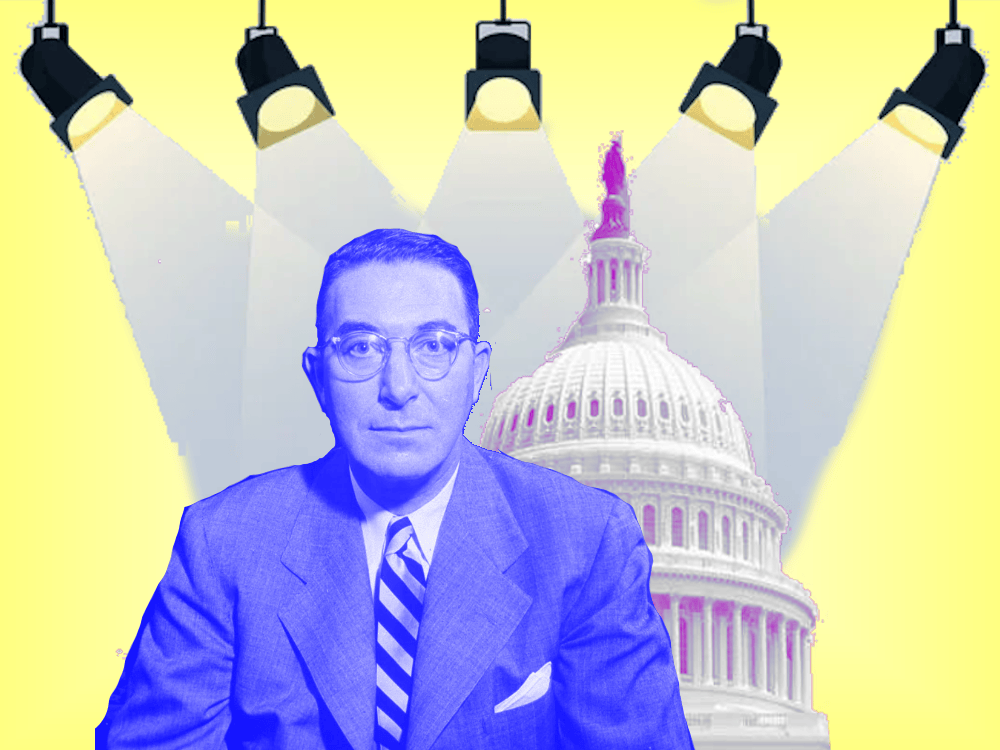
Kefauver’s high-profile Senate hearings demonstrated his theory about how the legislature could remain relevant and serve the public. His colleagues didn’t understand the theory – so they didn’t understand him either.
-
Never A Question
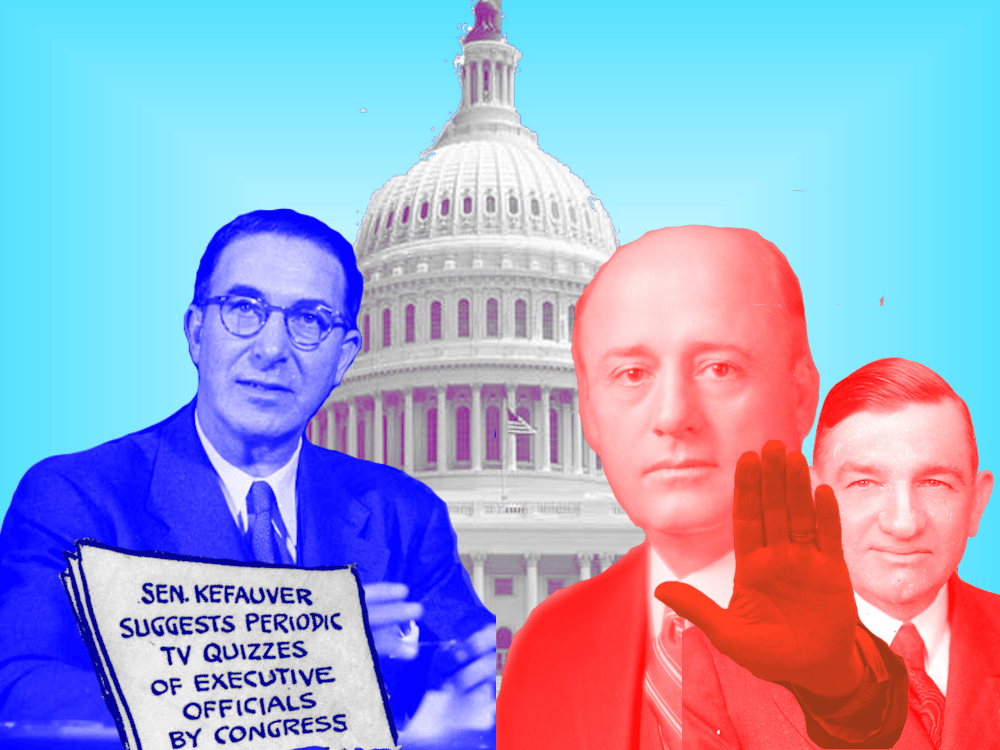
Kefauver spent twenty years trying to pass his signature political reform proposal. It was a good idea that convinced a lot of people – just not the ones he needed.
-
A Real Ladies’ Man
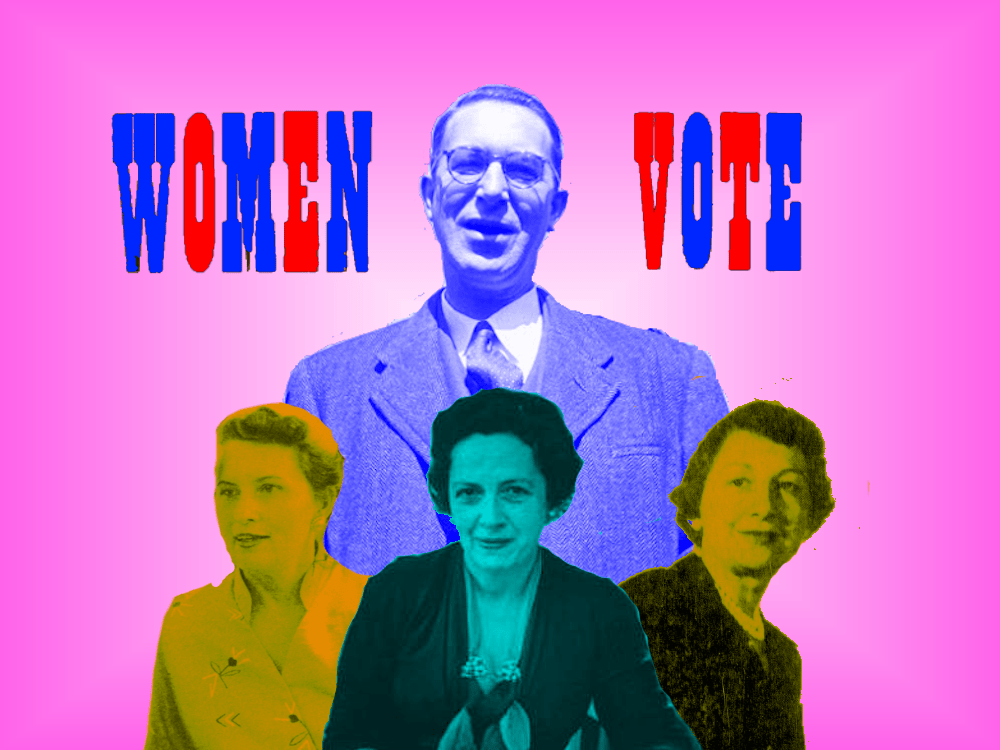
Estes Kefauver took women seriously – as voters and as campaign workers. In his time, that was rarer that it seemed.
-
When the Dam Breaks

When the Eisenhower administration tried to kill a public power project, Kefauver fought back with hearings that exposed a giveaway to private industry. He couldn’t save the dam, but won a different victory.
-
Dropping the Mask
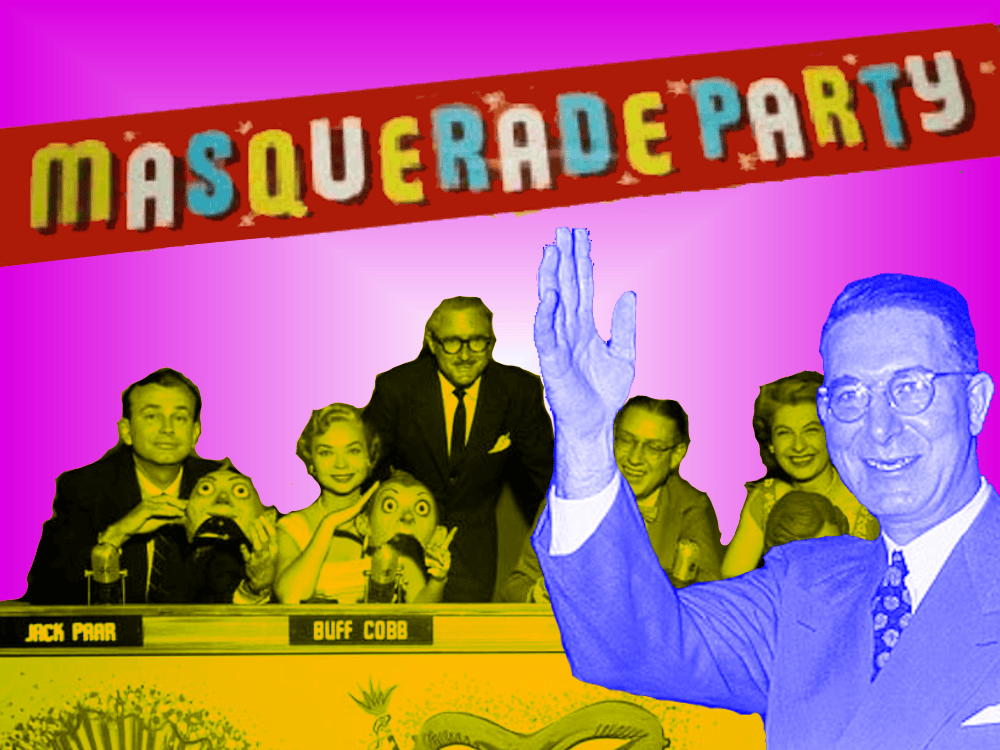
When Kefauver appeared in costume on a silly game show, journalists claimed he was debasing politics. But their real worry was about the growing influence of TV.
-
The Bosses Know Best
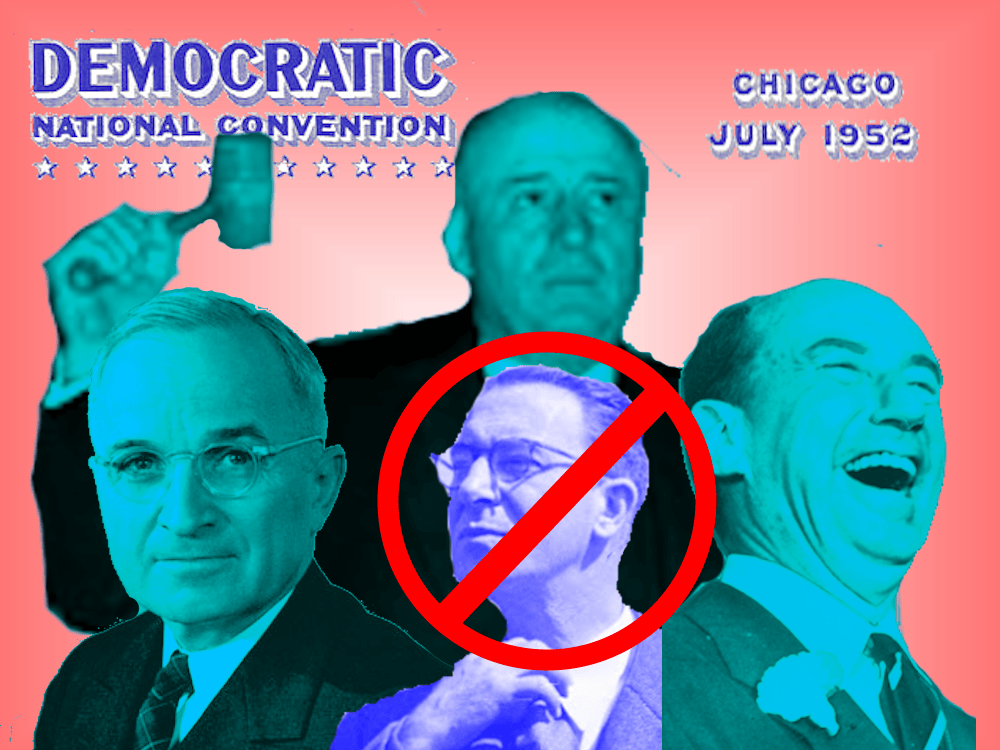
The Democrats ignored the people’s preference for Kefauver in 1952. A national columnist tried to prove it was justified… but just proved how weak party leaders’ case was.
-
I Can’t See Clearly Now

Kefauver believed that the people should have the power in America, and he backed his words with actions. Voters got it. Why didn’t reporters?
-
California, Rest In Peace
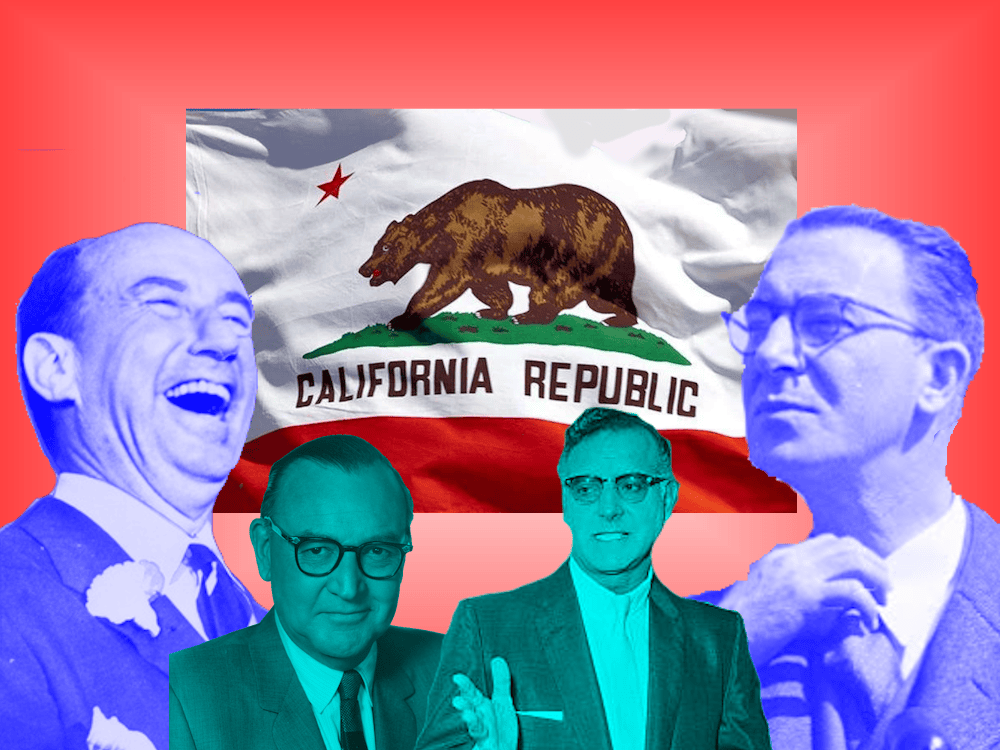
Democratic leaders in the Golden State tried to lock up the 1956 nomination months before the primaries even started. But Kefauver wouldn’t go down without a fight.
-
Legen-dairy: Kefauver’s Wisconsin Connection
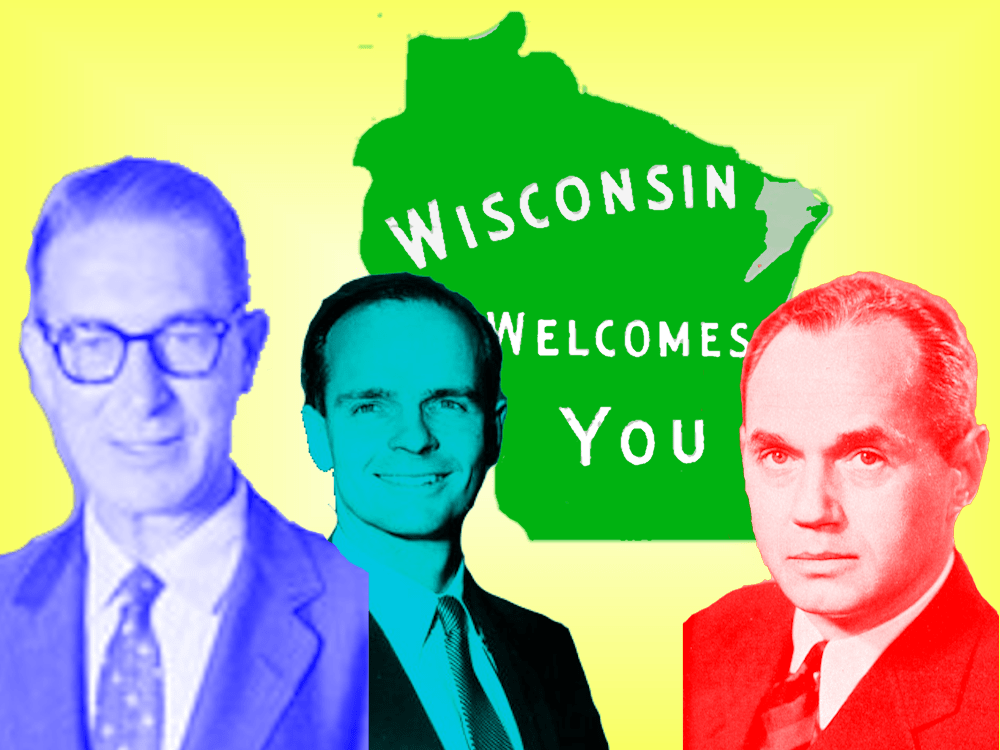
Kefauver and the Badger State understood each other. In 1957, long shot Bill Proxmire stunned the world and reached the Senate using Kefauver’s playbook – with Kefauver’s help.
-
A Small Speech With a Big Message

Most politicians wouldn’t turn a speech about dedicating a small-town hospital into an object lesson in democratic participation, or tie the hospital to the Cold War. Estes Kefauver wasn’t most politicians.