
When Estes Kefauver wasn’t working on efforts to improve our political system, he was working on projects in his garage.
According to a January 1952 profile on Kefauver’s family life in the Washington Evening Star, the Senator was a bit of a handyman. The profile reported that Kefauver liked “to tinker around with tools” and enjoyed working on gadgets and toys, especially for use by the local kids.
It was a delightful human-interest anecdote: a United States Senator and would-be President was also the neighborhood “fun dad.” But on closer inspection, it also offered a deeper glimpse into Kefauver’s makeup. In many ways, he approached his political duties the same way he approached building gadgets in his garage – in both good ways and bad.
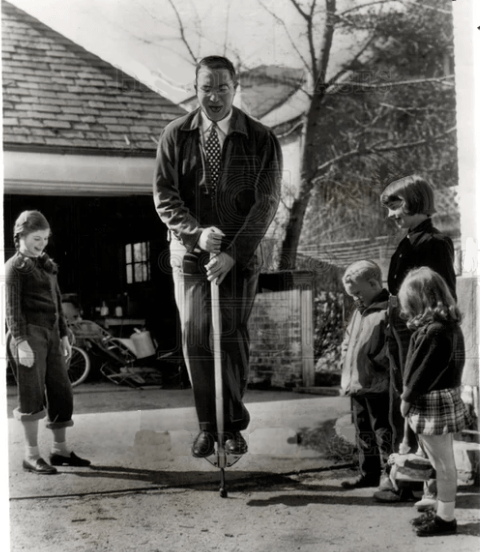
Kefauver’s craft projects sound like fun, and some of them seem genuinely clever. The Evening Star profile mentioned that he liked to share “some gadget he made – stilts or pogo sticks or what have you” with the younger kids in his Spring Valley neighborhood. The older children, meanwhile, “take turns borrowing his motor bike,” which was a regular bicycle that Kefauver had rigged up with an electric motor. When the family’s Great Dane passed away, Kefauver converted the former doghouse into a playhouse for small children.
Kefauver’s wife Nancy, however, wasn’t a fan. “I discourage the projects,” she told the Star. She wasn’t being a killjoy; she had practical reasons for dissuading her husband’s tinkering. The problem, she said, was that he only liked “making something new – which he rarely has time to finish.”
With a touch of housewifely exasperation, she added, “He can’t be bothered repairing things. I have to do that myself, or hire somebody to do it.”

Nancy’s frustration is understandable, and plenty of women surely related. Kefauver was hardly the only husband in America who had a bunch of half-finished fun projects in the garage but couldn’t find time to fix the washing machine. And in fairness to Kefauver, he’d been traveling all over the country for the organized crime hearings, and he was about to do so again for his Presidential campaign. The man had a lot on his plate.
But this habit extended beyond Kefauver’s home life. In politics, as in his garage, he was better at starting things than finishing them. He had a lot of big, exciting ideas that he struggled to execute.
The World Is Not Enough
Kefauver’s restless energy and desire to make a big mark were obvious from the start of his political career. His law partner Jac Chambliss said that he “had the zeal of the born reformer” and noted, “He had no sooner gotten into Congress than he wanted to change things.”
That’s not an uncommon feeling for new legislators. What was uncommon was just how many reform efforts he sponsored.
He may have proposed more Constitutional amendments than anyone in Congressional history. He had ideas to reform almost every aspect of our electoral system, from the way we selected Presidential nominees to the way parties ran political conventions to the electoral college itself. He suggested new federal departments and agencies to oversee science, consumer issues, and children’s affairs. He wrote a book proposing sweeping changes to the operations of Congress. He fought for a wide variety of issues, from TVA to antitrust. And he did all these things while also running a bunch of high-profile national hearings and running for President twice.

But for all the work he did and all the headlines he generated, his actual record of legislative achievement was fairly modest. The two biggest bills he passed in his career were the Celler-Kefauver Merger Act of 1950 and the Kefauver-Harris drug reform bill of 1962. Both were substantial and important pieces of legislation, but they paled in comparison to the many proposals he championed (a number of which were adopted eventually).
Part of that gap is the nature of Congress; most bills that are proposed don’t make it through, or only make it through after years of concerted effort and discussion. Part of it, though, can be laid at Kefauver’s feet. At times, his approach got in the way of his own ideas.
Sometimes, he overwhelmed his colleagues by trying to implement too many ideas at once. When he proposed a Constitutional amendment to reform the electoral college system in 1953, he simultaneously submitted amendments for a national primary and other political reforms. The hearing on those proposals before the Constitutional Amendments Subcommittee was a mess; his colleagues got tangled up trying to discuss his proposals simultaneously, and his amendments didn’t make it out of the subcommittee.
At other times, he would try to tackle big sweeping social problems that were beyond Congress’s scope to solve.
His organized crime hearings were a good example. They spotlighted the very real problem of mob influence in cities in a gripping and dramatic fashion. Critics such as Time magazine dinged Kefauver’s “scattergun methods which seemed to flush many birds but drop few of them.” (Time always had an axe to grind when it came to Kefauver, but in this case they had a point.) The real issue, though, was that the underlying causes of the crime problem (cops and sheriffs on the take, urban blight, local and state political corruption) couldn’t be solved through Congressional legislation.
It was a similar story with the juvenile delinquency hearings, which covered subjects ranging from urban slums to drug abuse to youth unemployment to illegal adoptions (and, yes, immoral comic books). They covered a lot of ground and generated a lot of headlines, but as Kefauver biographer Joseph Gorman put it, they never “clearly established a definite link between the conditions exposed and deficiencies in current statutes.”
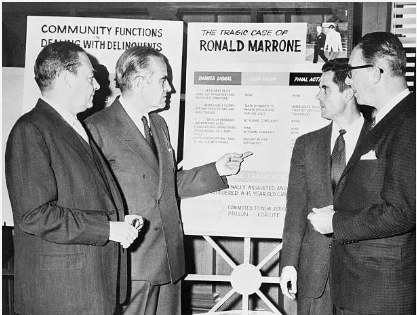
In both cases, Kefauver proposed numerous specific legislative items to address problems uncovered in the investigations. But none of the proposals were capable of addressing the deeper issues the hearings dramatized. Narrower, less attention-grabbing hearings targeted at specific aspects of both problems might have resulted in bills that could get passed.
Legislation by Iteration
Kefauver had a habit of proposing half-formed, open-ended bills with the idea that they would either be refined during the hearings or updated after passage based on experience. His model of legislating looked a bit like a software company releasing iterative improvements to a new app.
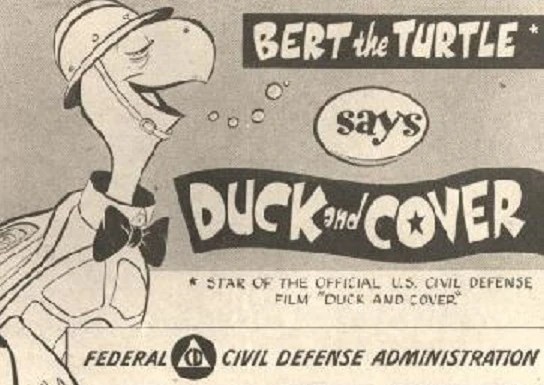
During his 1950 hearings on the Federal Civil Defense Act, whenever a witness would point out a shortcoming in the law, Kefauver agreed but said that the deficiencies would be improved over time after the bill was passed. (They were not.)
When skeptics raised concerns about his proposal for a national Presidential primary, Kefauver responded, “I have no doubt that we will go through a period of trial and error in the working out of laws governing a national primary.”
When Kefauver proposed a Constitutional amendment to allow the filling of mass Congressional vacancies after a disaster, he invited some of the country’s leading scholars of political science to weigh in at the hearing. They generally supported the concept, but bogged the hearing down with endless consideration of minute details and obscure hypotheticals. It got so bad that Kefauver remarked to one witness, “[I]t is remarkable how many complexities a simple proposition can bring up, isn’t it?”
After the 1957 launch of Sputnik sparked a panic over American competitiveness in science and technology, Kefauver and Hubert Humphrey both floated proposals for a federal Department of Science. Humphrey’s proposal proposed consolidating a wide range of existing offices and agencies into the new department, while Kefauver’s proposal included only a handful of agencies, primarily focused on atomic energy.
Kefauver pitched his plan as a quick solution to a vital problem, avoiding the “big fuss” that Humphrey’s more comprehensive proposal might cause. “I feel it is better that we make a start,” he told the Government Operations Subcommittee. “We can transfer the other functions later as we go along.”
Kefauver’s idea of iterative legislation had merit, but it didn’t account for the way Washington works. The federal government isn’t a software company; it can’t release beta legislation and quietly ship out a patch a few nights later after someone finds a security hole. Congress only has so much time on its legislative calendar; there’s often only one chance in a generation to pass major legislation on a given issue.
Kefauver had a lot of good and important ideas for legislation. But he might have had more success enacting them if he’d picked a few and really focused on them. Journalist Drew Pearson, who greatly admired Kefauver, felt that way. “If Estes wants to devote his full time to a project, he can really make hay,” Pearson wrote in his diary. However, he noted that Kefauver “gets bogged down… to such an extent that he doesn’t get much done.”
Kefauver’s legislative record looked kind of like his garage: a bunch of big, exciting projects that he started but couldn’t quite finish.
The Man Who Wasn’t There
Kefauver’s whirling-dervish style of legislation may have caused him some problems on Capitol Hill. His much deeper problems, however, came when he wasn’t on Capitol Hill. Which was often.
As I’ve mentioned before, Kefauver basically invented the modern style of presidential campaigning, featuring intensive in-person campaigning across the country. But you can’t be shaking hands in New Hampshire and sitting in committee meetings in DC at the same time. During the Presidential primary season, Kefauver was largely an absentee Senator.
And when he wasn’t running for President, he was frequently off holding a hearing in another city, or campaigning for a colleague, or giving a speech to a group of young people somewhere.
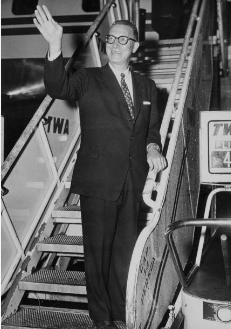
When I first read about how unpopular Kefauver was with his Senate colleagues, I wrote it off to some combination of jealousy (over all the headlines he garnered) and factional resentment (old-guard party leaders mad at his reformist instincts, Southerners upset about his stance on civil rights, and so on). And surely that was part of it. But some of their resentment was justified.
Congress runs on relationships. If you support me on Issue X, I’ll back you on Issue Y. That sort of thing. Kefauver’s stubborn independent streak already complicated his relationship with fellow Senators. But if you promise to support Issue Y if your colleague backs you on Issue X, it’s a real problem if you’re not around when Issue Y comes up for a vote. And Kefauver often wasn’t.
Missouri Senator Thomas Hennings – who was a friend of Kefauver’s – was well aware of this tendency.
“You make a point to be on hand to be on hand to vote with him on something that’s important to him,” Hennings told The Progressive in 1956. “And when you need his vote, he’s quick to promise. He says, ‘I’ll be there at 3 o’clock when the roll is called.’ But you know all the time he’s making that 3 o’clock promise, he has a ticket in his pocket for a flight that leaves the airport at 1:50 o’clock.”
Hennings’ fond exasperation sounds a lot like Nancy Kefauver realizing her husband is never going to fix the washing machine.
Even when he was around, Kefauver’s colleagues often didn’t have his full attention. Hennings noted that tendency as well, pointing out that Kefauver “expects you to get interested in the things that interest him. But when you try to get him stirred up about something that interests you, he can barely hear you.”
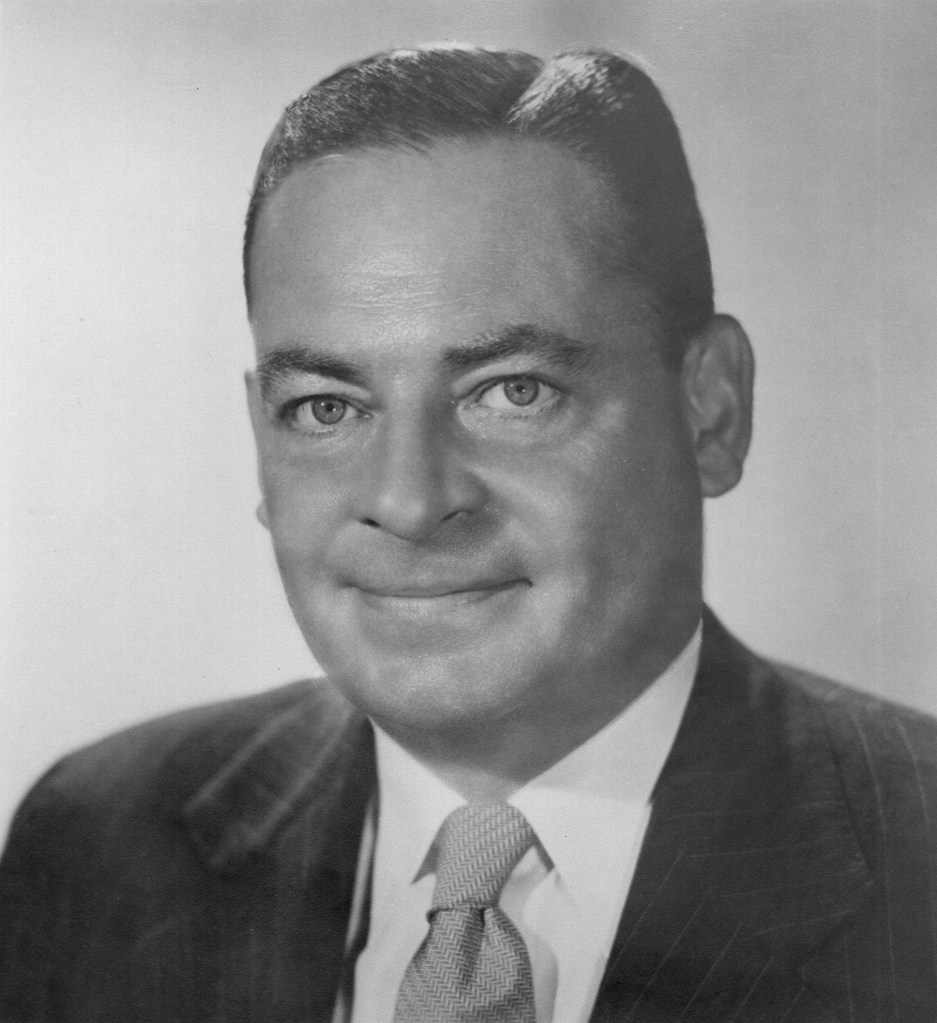
Kefauver wasn’t a selfish or thoughtless person. Hennings knew that, and so did Nancy. But when you’re always thinking about your next investigation, your next campaign, your next big idea, sometimes you lose sight of the person standing right in front of you.
An Impossible Juggling Act
It often seemed like Estes Kefauver was trying to live multiple lives simultaneously. He was trying to be a Senator, a Presidential candidate, a husband and father, a popular champion, a famed investigator, a political scholar, and a mentor to youngsters all at the same time. If you’re juggling that many balls at once, you’re bound to drop a few.
Kefauver ran himself ragged (and ultimately into an early grave) trying to meet his lofty goals: to fix the flaws he spotted in our political system, to fight for the common man and woman, to turn his big ideas into reality. It’s a testament to his intelligence, tenacity, and tireless work ethic that he came as close as he did.
There were a lot of half-finished projects in Kefauver’s political garage. A lot of them were great ideas, some genuinely awe-inspiring. But it’s hard not to wonder if he – and we – would have been better off if he’d had the chance to see some of them through to completion. And if he’d made the time to fix Nancy’s washing machine.


Leave a Reply