-
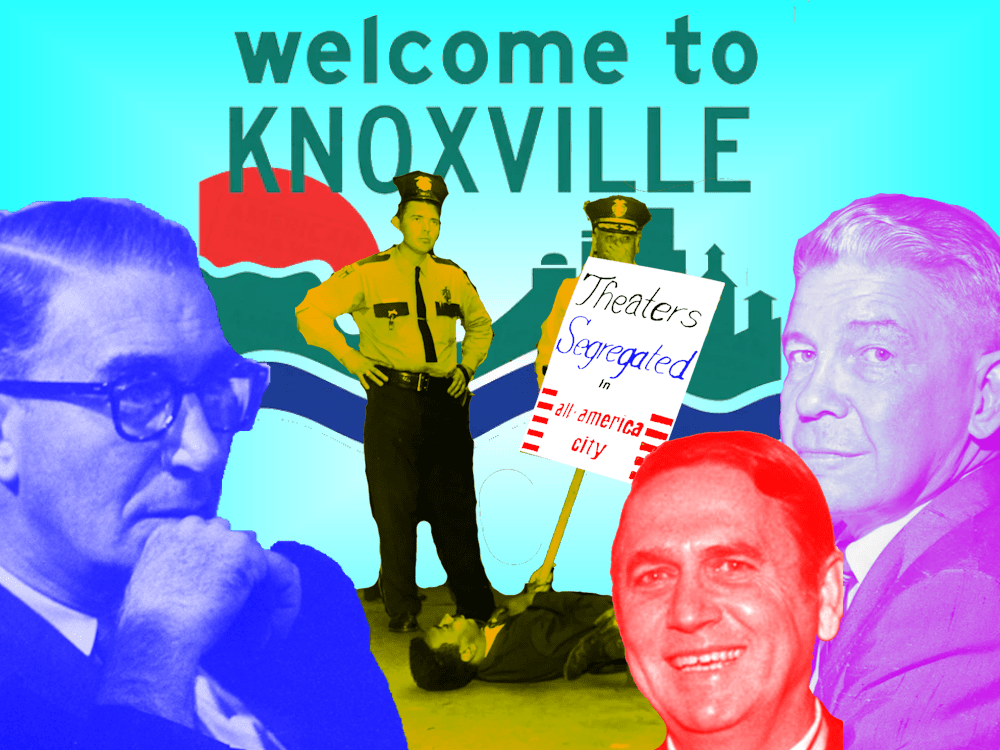
In the final months of his life, Kefauver endorsed a newspaper’s call for Knoxville, Tennessee to be an integrated “open city.” Did Knoxville’s example offer a model for desegregation without violence?
-
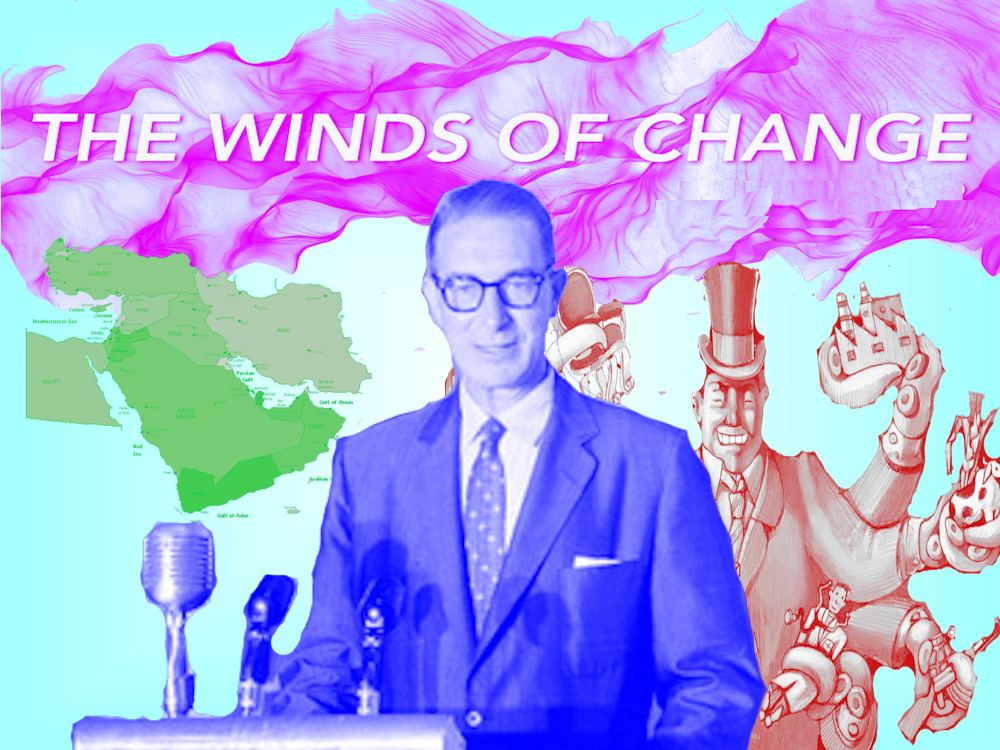
In 1957, Kefauver urged Young Democrats to stay involved and help shape the future of a world in turmoil. The topics he discussed -70 years ago – control of the Middle East, technology’s impact on American culture, the problem of too-powerful corporations – are just as relevant today as they were then.
-
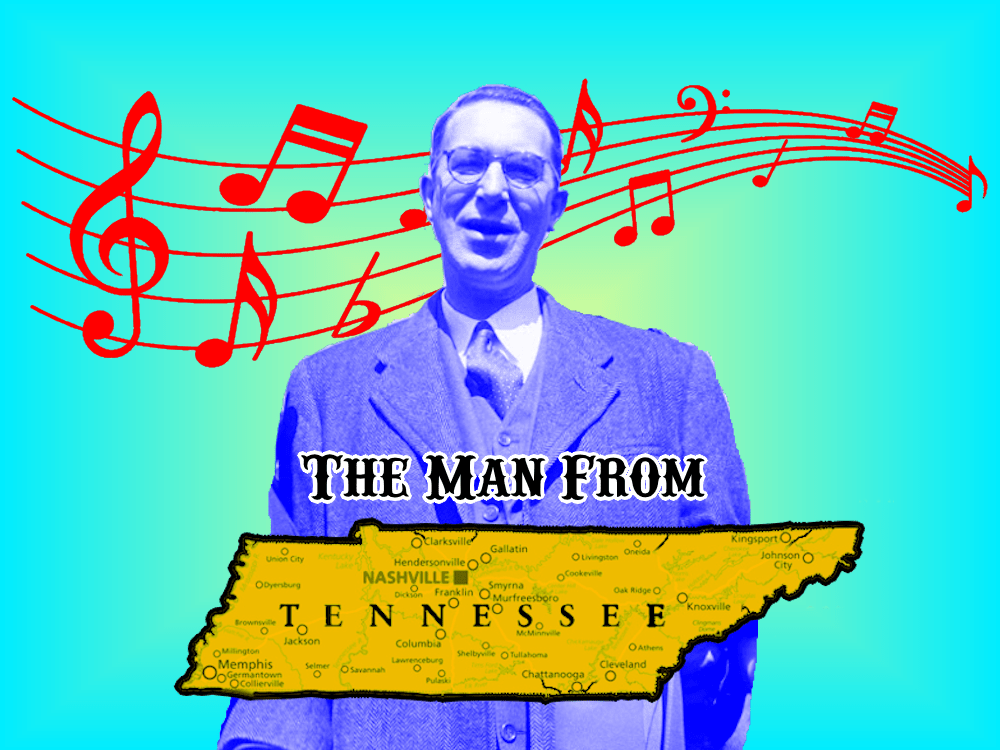
In 1952, an obscure North Carolina songwriter tried to launch himself to fame by writing a Kefauver campaign song. The song hit the big time… but the songwriter didn’t.
-
Today’s Democrats have a hard time speaking effectively on controversial cultural issues. They’d benefit from studying how Kefauver addressed the challenging issues of his era.

-
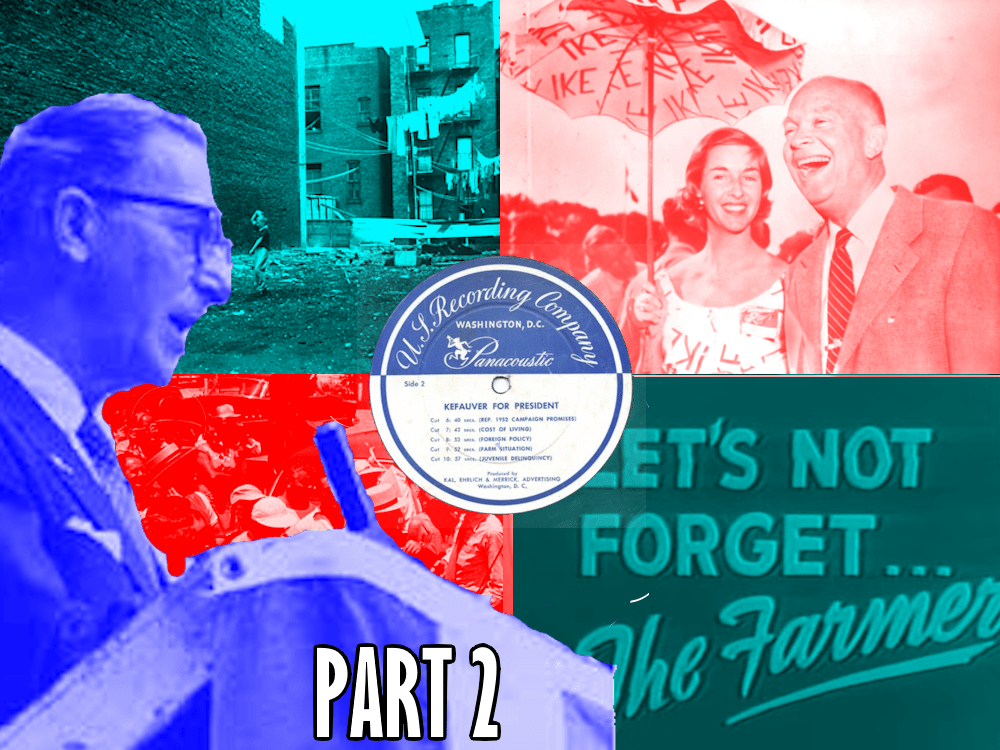
Continuing from last week’s post, here’s a look at another set of ads from Kefauver’s 1956 campaign, and a look at what they did – and didn’t – say.
-
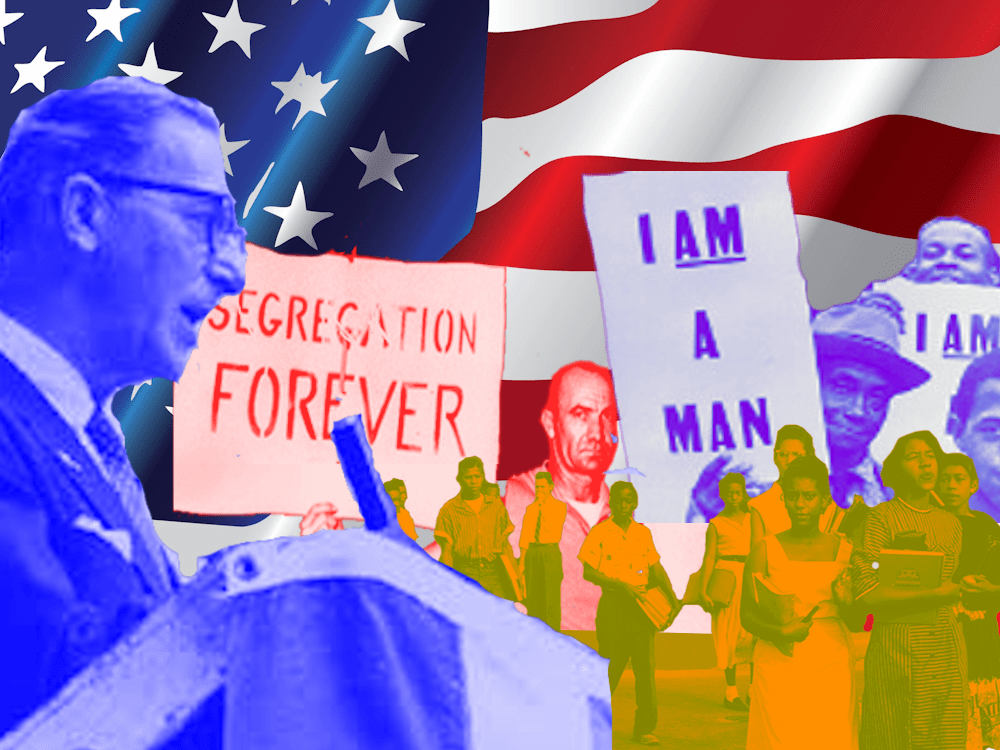
During the 1956 campaign, Kefauver faced scrutiny from Southerners on civil rights. He responded with a courageous appeal to the South’s better angels. Read on to see how he did it.
-
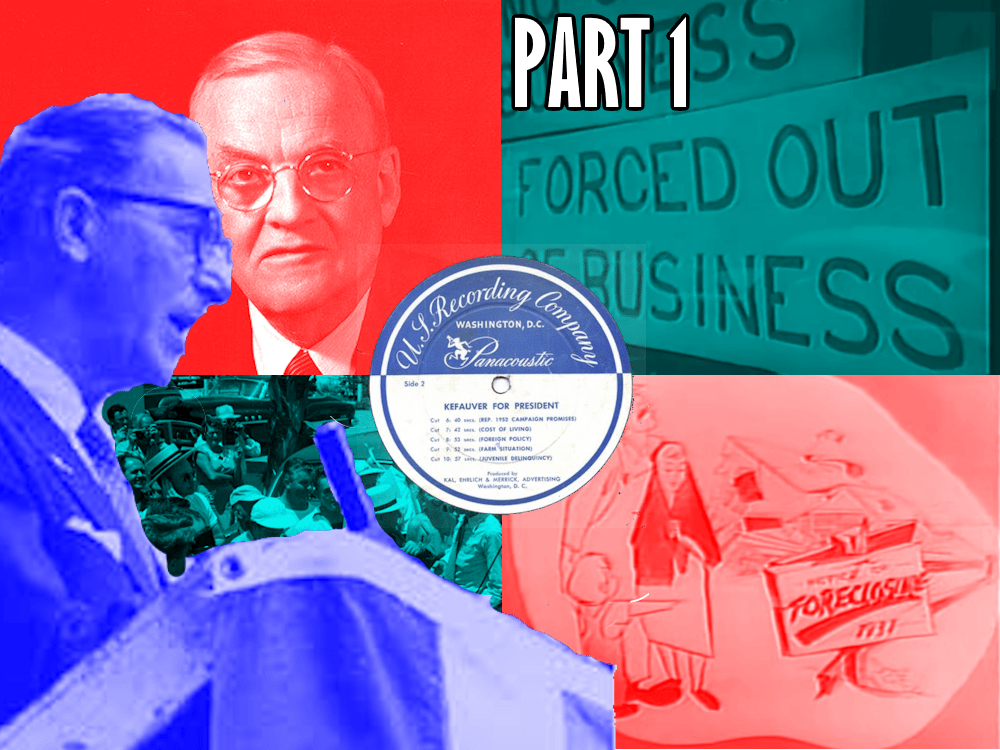
During the 1956 campaign, Kefauver came into a bit of money, and used it to record a series of commercials. This week, we’re taking a look at some of those ads, and what they said about his campaign.
-
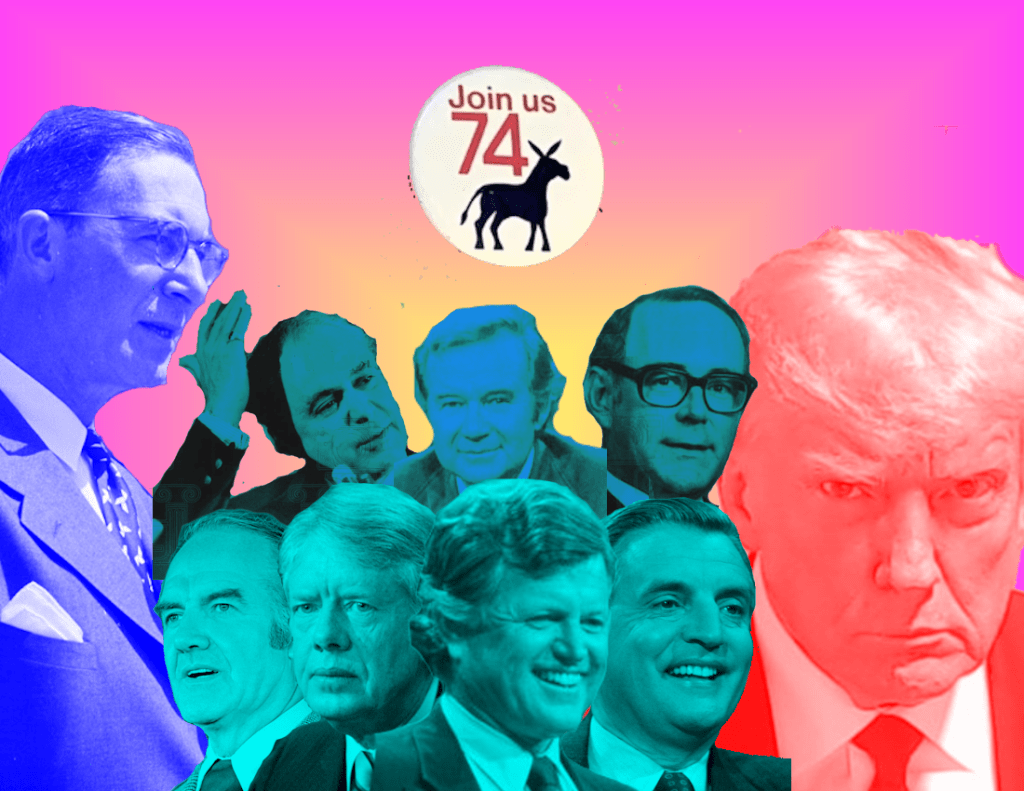
Republicans are thinking of holding a convention for this year’s midterms. Democrats tried that in the ’70s and ’80s… and it didn’t go so well.
-
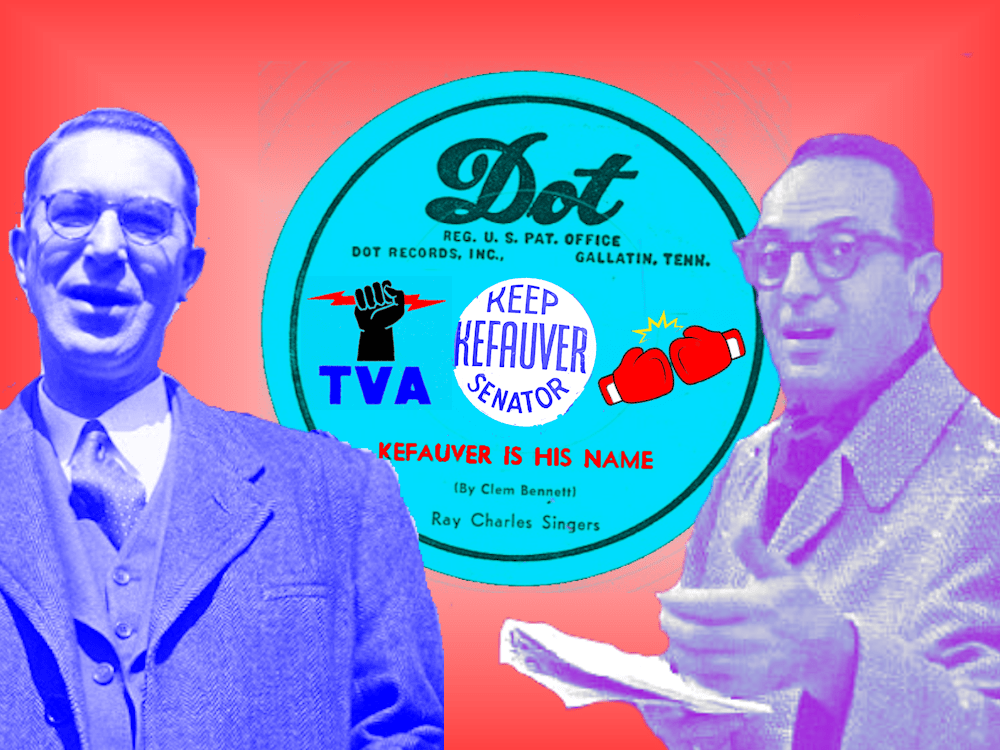
What do Estes Kefauver, Perry Como, and Three’s Company have in common? Ray Charles! No, not that one.
-
In 1948, Kefauver wrote an article decrying excessive Congressional travel and “headline-hunting hearings.” Did his later career make him a hypocrite?
-
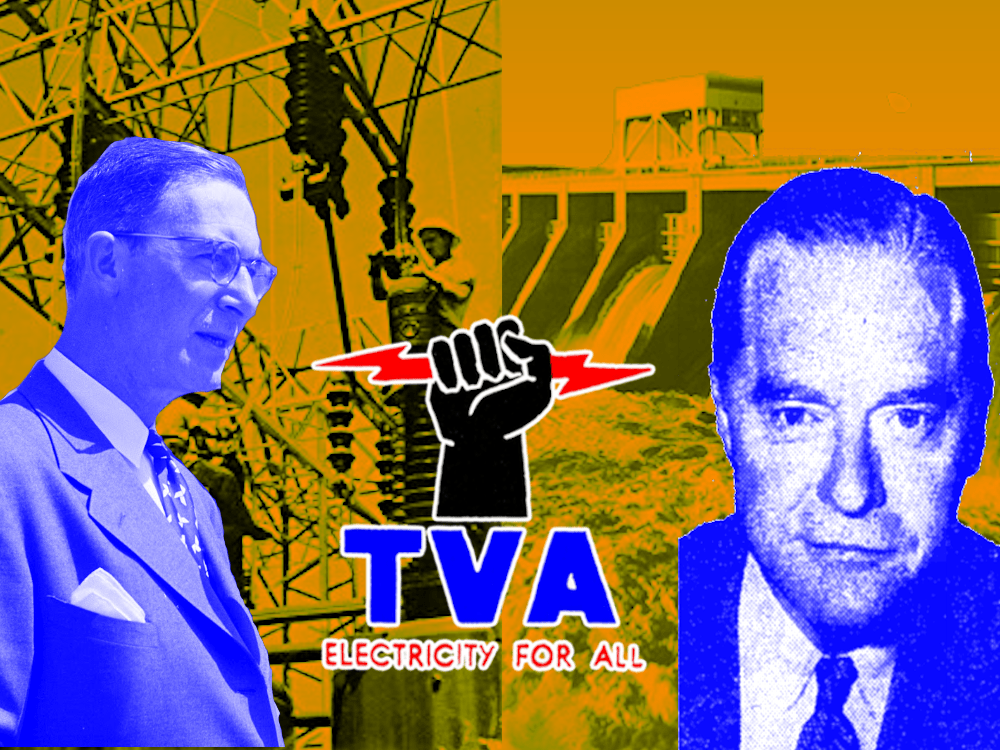
At the TVA’s 20th anniversary, its former Chairman wrote a book explaining the mindset that made it possible. Have we lost that mindset for good?
-
One of my posts was the basis for a YouTube video. Click here to check it out!

-
Could you imagine one of today’s Senators on “American Idol”? In 1950, a collection of Washington VIPs appeared on a TV variety show to raise money for charity. It was… really something.

-
Estes Kefauver believed in an America that truly belonged to the people. But did he expect too much of us?

-
I thought that Atlantic Union – the idea of a federation of democratic countries – was a dead idea. I was wrong. Meet Rick Biondi, the man who’s trying to “make Atlantica great again.”

-
During the 1956 campaign, the Communists published a report that appeared to endorse the Democrats, and Kefauver in particular. it caused a stir… but why didn’t it dominate the campaign?

-
In 1949, a Memphis newspaper editor proposed a statement of principles for democratic societies. With democracy under threat today, what can we learn from it?

-
In 1968, Kefauver’s daughters backed the Minnesota Senator’s insurgent bid for the White House. Would their father have done the same?

-
Just before Thanksgiving 1955, Estes Kefauver paid a visit to Lyndon Johnson at home. Johnson wanted to show that he still ruled the Democratic Party, while Kefauver sought a Presidential endorsement. Only one of them got his wish.

-
Right after the ’56 election, JFK gave an off-the-record speech joking about his experience on the campaign trail. A lot of his “jokes,” though, suggested some… hidden frustrations. Or maybe not so hidden.

-
In the 1950, Democratic liberals were frustrated by conservative Congressional leaders and the ever-popular Ike. So they founded the Democratic Advisory Council to make their voices heard. Was it a success or a failure… or both?

-
In 1948, disaffected Southerners tried to hijack the Electoral College because they felt that their region was getting ignored by the national parties. Kefauver sympathized with their complaints… but he felt there was a better way.

-
We’ve all heard about the South’s third-party effort in the 1948. But did you know that they plotted to subvert the Electoral College four years earlier?

-
The atomic bomb ushered in a frightening new world with unexpected risks. Kefauver tried to fix the Constitution to safeguard Congress in the event of a disaster. Why didn’t it work?

-
Nancy Kefauver was the ideal partner for Estes. She was a loving wife and mother, a brilliant household manager… but also a talented artist, a capable campaigner, and a certified charmer.

-
A couple weeks before their landslide loss, the Stevenson-Kefauver campaign held a star-studded coast-to-coast gala event. Was it a waste of money… or a preview of future campaigns?

-
After getting his Presidential hopes crushed at the 1952 convention, Kefauver tried for a Constitution amendment mandating national primaries. Was he the biggest obstacle to his amendment’s success?

-
Kefauver had a lot of challenges in his runs for President, but he had the most powerful political columnist in America on his side. How far did the columnist go to help Kefauver win, and why wasn’t he ultimately able to get it done?

-
At the height of his fame from the organized crime hearings, Kefauver gave a speech laying out a rigorous vision of active citizenship. Was America up to the challenge? Are we still?

-
Espionage trials, loyalty oaths, and textbook investigations were common during the early years of the Cold War. Supporters claimed they were needed to combat the Red menace… but what about our Constitutional rights? In 1949, Kefauver stood up for the First Amendment against a prominent anti-Communist Senator in a nationally broadcast discussion.

-
Despite what you may have seen in the movies, teenagers in the Fifties cared about more than hot rods and school dances. In 1956, teens started to find their political voice… and campaigns started enlisting their help.

-
The subcommittee’s hearings into the Korean ammo shortage produced a mass of conflicting testimony. The majority decided to pretend otherwise. But Kefauver wouldn’t let them.

-
When the Republican Congress began investigating the alleged ammo shortage in Korea, they found that the story was more complicated than they hoped. But their toughest adversary may have been their own President.

-
After Eisenhower took office, the GOP was eager for a way to blame the Korean War on Truman and the Democrats. Allegations of an ammo shortage gave them an opportunity… but things proved more complicated than they hoped.

-
Kefauver’s 1956 Presidential run seemed like a sure thing. But did he come close to sitting it out? He shared his honest thoughts on the challenges of campaigning with a pair of national political columnists.

-
Why was Kefauver so popular with young people? Because he treated them with respect and dignity… and he encouraged them to embrace controversial ideas, even when they disagreed with their elders.

-
During his 1956 run for President, Kefauver campaigned on giving Americans an “even break.” Was it just a slogan… or a metaphor for his whole campaign?

-
Although Hank Fort leveraged her Kefauver campaign song to launch herself to fame, she stayed loyal to her home state… and her favorite Senator.

-
This is a story about one of Kefauver’s campaign songs. But it’s although the story of the plucky Nashville songwriter who leveraged the song’s success to become a D.C. society queen,

-
When a Senator’s wife was photographed wearing a bathing suit at a fundraiser, constituents and columnists went crazy. But she wound up making a splash for much more than her body.

-
In 1956, Republicans pioneered a new form of “rapid response” campaigning that combined jet planes, TVs, and other cutting-edge technology. Was it a political innovation – or a clever distraction?

-
Elizabeth Warren and her followers share the same approach to antitrust that Kefauver did in his day. So why don’t they mention him more?

-
The national voting age was lowered to 18 by the 26th Amendment in 1971. But that amendment would never have come to pass without decades of work by Kefauver – and a forgotten Senator from West By-God Virginia.

-
In 1953, Democrats found themselves completely out of power for the first time in a generation. Kefauver had some ideas on how his party should navigate life in the minority.

-
If you’re enjoying a three-day weekend today, you should know that Kefauver fought for that, too.

-
In 1952, when Kefauver was first launching his presidential campaign, a magazine ran an article imagining his administration. It made Kefauver sound like more of a myth than a man.

-
In 1956, Kefauver was supposed to help Stevenson gain ground with rural and working-class voters. That didn’t work out as planned… except in one state.

-
In 1952, Florida Governor Fuller Warren challenged Kefauver to a debate about gambling and crime. Kefauver accepted the challenge, but when he showed up to debate… Warren was nowhere to be found.

-
In 1952, Estes Kefauver and Richard Russell had a furious faceoff on a Miami TV station. Was it the first televised Presidential debate? It’s complicated.

-
Kefauver believed strongly in the rule of law and fighting for the poor and working class. So when Congress considered the question of providing lawyers for low-income defendants, Kefauver was all in.

-
The 1956 election is remembered as an Eisenhower landslide, which it was. But if the election had taken place a few weeks earlier, it might have been a different story. A Newsweek article from that time offers a glimpse into an alternate universe where the Democrats did better… and Kefauver was the main reason why.

-
Kefauver used congressional investigations as a route to fame. But he also understood how they could be abused. And he tried to do something about it. But as usual, Congress couldn’t be bothered to act.

-
Kefauver’s subcommittee on antitrust and monopoly found anti-competitive behavior in a variety of industries, including cars, steel, and… bread baking?

-
The Kefauver family loved pets. At various times, the family had a veritable menagerie of animals around the home, including dogs, cats, birds, mice, and even… a skunk?

-
After the Great Depression and WWII, the federal government was bigger and more complex than ever. And Congress, wedded to archaic and inefficient traditions, was struggling to cope. Kefauver offered a way out of the wilderness. If only Congress had listened.

-
Kefauver’s popularity with the people made him a popular campaign speaker, especially in tough districts. In 1953, he helped Democrats flip a ruby-red seat in Wisconsin by connecting with farmers.

-
When Kefauver died in 1963, former staffer and FTC Chairman Paul Rand Dixon spoke on the floor of the Senate about his old boss… and sketched a memorable portrait of a great man.

-
Ever the reformer, Estes Kefauver proposed a bold plan for reinventing the political convention during his 1952 Presidential campaign. His suggestions were ignored… but some of them were adopted eventually.

-
Kefauver was one of the few Southern politicians of his day who didn’t support segregation. So why was he such a fan of the Confederacy?

-
In the 1950s, right-wing groups like the American Legion were dedicated to rooting out Communism and world government everywhere they found. Even when they found it in… the Girl Scout Handbook?
-
When Kefauver took his Presidential campaign to Oregon in 1952, he wound up getting initiated into a… wild bunch of locals.

-
The Soviet launch of Sputnik in 1957 set off a panic that America was losing the race for space. Kefauver thought that a federal Department of Science would help America catch up. Why wasn’t the idea adopted?

-
A couple of dangerous conservative bills aimed at crippling the Supreme Court appeared to be on a path to passage… until Lyndon Johnson pulled off some impressive legislative moves.

-
In the late 1950s, a cross-party coalition of Congressional conservatives joined forces to try and muzzle the Warren Court. What got them so angry, and why have we forgotten this chapter of American history?

-
After World War II, America tried to develop a plan for civil defense in case of a nuclear attack. Why didn’t it work out, and who’s to blame for its failure?

-
Kefauver’s handshakes were the key to his campaigns. But two reporters who watched him believed that he didn’t enjoy it. So why did he keep doing it? And why did the voters love it so much?

-
When two Senators made a friendly wager on the outcome of this game, they felt they had a lot at stake. As it turns out, the real stakes of the game were about the future of college football.

-
For once, a take on the Kefauver crime hearings from a major studio with a star-studded cast. But did they make the hero a bit too heroic?

-
In 1956, Kefauver stood up to a pro-segregation crowd in Florida… and won them over. What can his courageous example teach us today?

-
Throughout his career, Estes Kefauver used country music to connect with people and promote his campaigns. Like Kefauver himself, it may not have impressed the powerful, but it hit home with regular people.

-
What do you get when you have two months to pass a law driven by anti-Communist paranoia, anti-Supreme Court resentment, and with the FBI and Justice Department holding a gun to your head? Nothing good. But it’s a law that’s stood for 75 years.

-
Estes Kefauver was the first politician to use TV as a springboard to national fame. Why has his pioneering role been forgotten?

-
When Adlai Stevenson let the convention pick his running mate, Mike DiSalle of Ohio nominated Kefauver. He gave a good speech – one that he had to edit while he spoke,

-
Depressed about the election? Looking for a path forward? Consider the example of Ohio Sen. Stephen Young, a fighting liberal who didn’t hesitate to punch back against stupidity and cruelty.

-
In the mid-1950s, conservative isolationists – whipped up by fears of one-world government – tried to amend the Constitution to take away the President’s authority to negotiate treaties. Kefauver stood up to stop it.

-
Estes Kefauver frequently wrote articles and books urging people to support bills he created. But on at least one occasion, Kefauver was inspired to propose a bill based on a book he read.

-
In 1988, C-SPAN interviewed veterans of past Democratic conventions. Thanks to them, we were able to hear ex-Kefauver staffer John Hoving’s behind-the-scenes stories of the 1956 convention… and the Kefauver vs. Kennedy battle for the vide presidency.

-
Estes Kefauver died before America got heavily involved in the Vietnam War. But we can envision how he would have reacted based on his reaction to another Asian conflict: the Formosa crisis of 1955.

-
For 180 years after the Constitution, we had no idea what happened when the President was too sick to do the job. Kefauver tried to fix the problem… but it took a tragedy to get his colleagues to listen.

-
In 1960, Hubert Humphrey held a hearing of Kefauver’s Department of Consumers proposal. He used the hearing to…. complain about cramped airline seats and and the lack of radar of planes.

-
In 1960, Kefauver introduced a bill to create a federal Department of Consumers. The bill never passed, but the idea of protecting consumers – and giving them a voice – would outlive his proposal.

-
During Kefauver’s final re-election campaign in 1960, he bet that voters would opt for reason and honest facts instead of race-baiting and segregation. See how he made the case in an important campaign brochure.

-
Harry Truman was looking for a successor… as long as it was anyone but Estes Kefauver. Did Truman let a personal grudge cost the Democrats their best shot at beating Ike and extending Truman’s legacy?

-
In 1952, a reporter who covered Kefauver’s organized crime hearings penned a movie script. People who watched the hearings might have found it a bit… familiar.

-
In 1950, Kefauver suggested that reforming the Electoral College might fix the political problems facing the South. Why did he think so? And did his predictions for the future come to pass?

-
During the 1950, jet travel was a novelty. Late in the 1956 campaign, Kefauver was able to draw a big crowd in a small town… but not for the reason he expected.

-
In 1952, Kefauver wrote a scholarly article surveying the history of political ethics in America. How would he feel about where we are today?

-
I’ve made the case that Kefauver should be credited for inventing the modern Presidential campaign. But don’t take my word for it… ask the man who invented modern Presidential campaign reporting.

-
India Edwards should be an icon: female DNC vice chair, H, 1952 VP candidate, convinced Truman to appoint numerous women. Why is her story so little remembered?

-
Estes Kefauver’s campaigning failed to win the Presidency. But even as he lost, he pioneered a new form of Presidential campaigning… and he started the momentum to let the voters decide the nominee.

-
Southern outsiders battling the party establishment: was Carter running Kefauver’s playbook? One columnist saw the similarities, but missed the key reason why Carter succeeded where Kefauver failed.

-
In January of 1962, columnist Drew Pearson took the reigning heavyweight champ to meet some of DC’s highest leaders. The leaders had handshakes and well-wishes for the champ… but also tried to warn him about his next fight.

-
During his 1960 campaign, Kefauver issued a pamphlet reminding voters of some of his smaller accomplishments. Why? They may not have made headlines, but they improved the lives of his constituents.

-
The Sackler family’s reckless marketing of OxyContin hooked a generation of Americans on opioids. Decades earlier, Kefauver and his subcommittee on monopolies exposed the Sacklers’ tendency for stretching the truth… and their secretive business dealings.

-
Adlai Stevenson was one of the most admired losing candidates of all time. Here’s my hot take: He was a lousy candidate, and he encouraged the Democrats’ worst tendencies.

-
In the summer of 1961, rumors swirled that a Supreme Court justice was going to resign, and Kefauver would be his replacement, Why didn’t it happen?

-
Henry Luce, the publisher of Time and Life magazines, was a huge supporter of Dwight Eisenhower. No wonder his magazine was so snotty about Kefauver!

-
Church and Kefauver were both ambitious Senators who led high-profile investigations that caught public attention. They were both Senate outsiders with independent streaks. Were their differences a matter of personality… or the times?

-
The organized crime probe wasn’t the only Kefauver investigation to spawn a movie. There was also a movie inspired by his juvenile delinquency investigation. Unfortunately, it wasn’t a good movie.

-
Kefauver wasn’t the only 1950s presidential hopeful who came up short. There was also Krajewski, the New Jersey pig farmer and bar owner, whose views were a little… different.

-
Subscribe
Subscribed
Already have a WordPress.com account? Log in now.
 Estes Kefauver for President