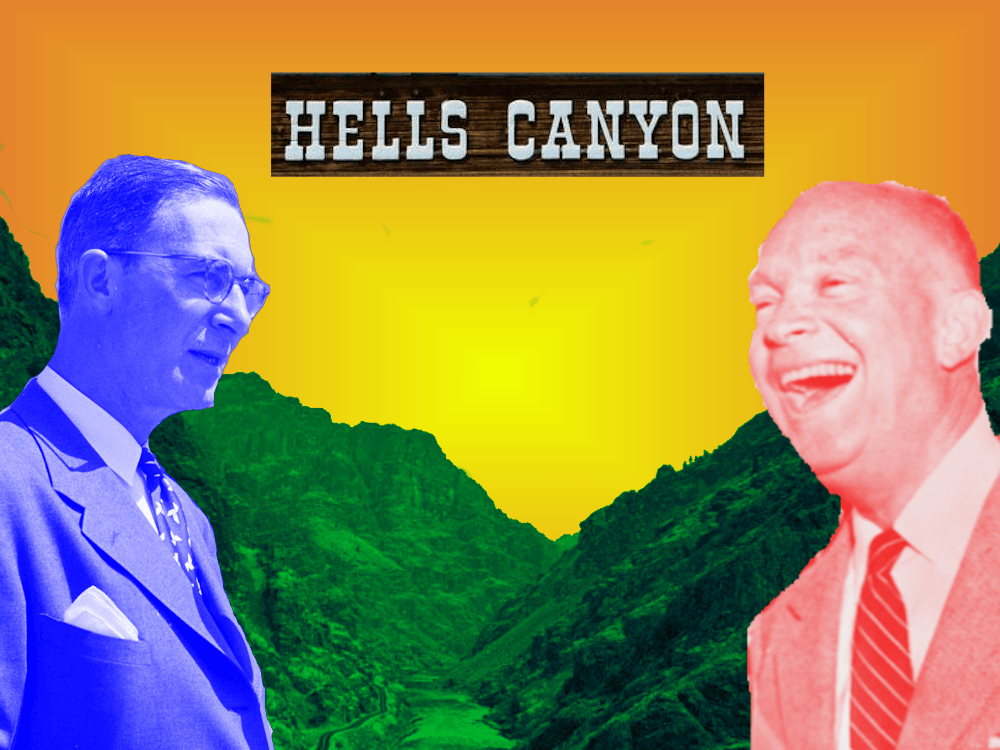
Estes Kefauver understood the power of public power – electric power, that is.
Kefauver had seen the tremendous benefit of the Tennessee Valley Authority, which provided low-cost electricity to his home state and spurred economic growth and development in the struggling South. Kefauver championed the TVA throughout his political career – he won election to the Senate in 1948 on the slogan “Peace and TVA” – and he saw it as a model worth repeating around the country.
“It seems everlastingly right to me that the waters of the rivers, which belong to all the people, should be harnessed for the benefit of all the people,” he wrote in a 1953 magazine article. “It seems everlastingly right that electric power, which is a natural monopoly, and on which we are all increasingly dependent, should be distributed for the benefit of all the people.”
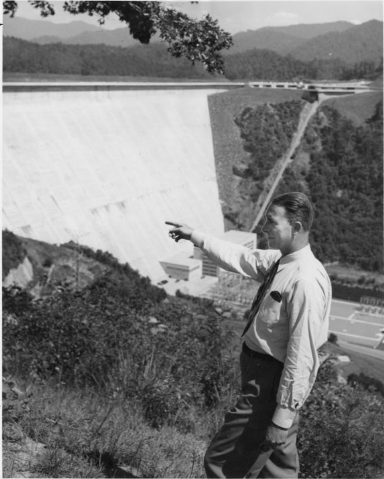
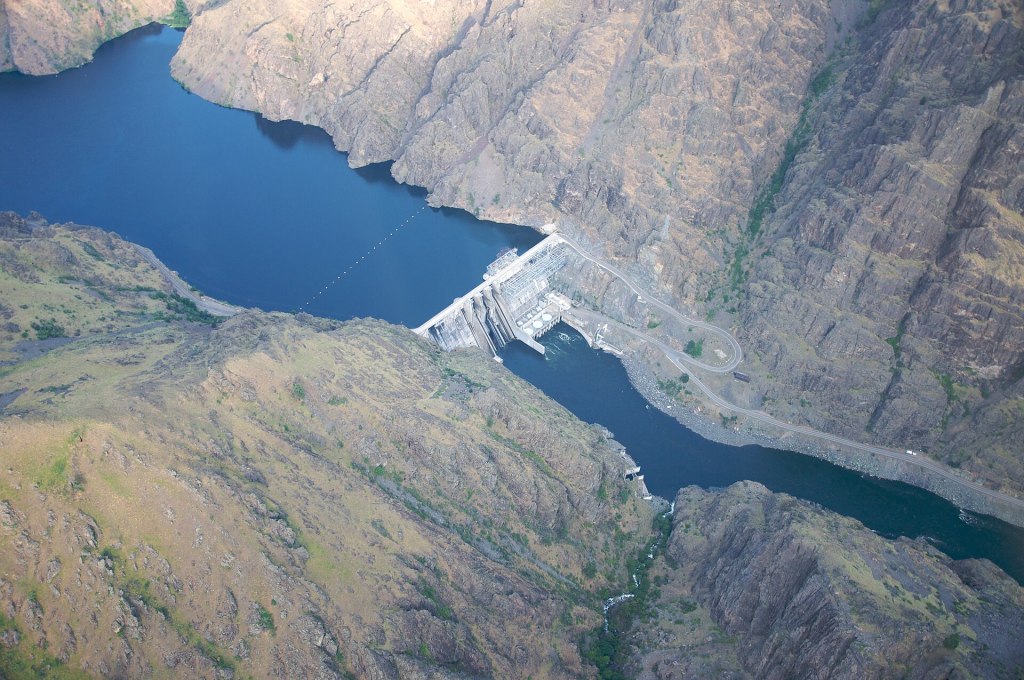
Given his strong belief in public power, it’s no surprise that Kefauver played a key battle in the fight to build a federal hydroelectric dam in Hell’s Canyon, on the Snake River on the Idaho-Oregon border. Although Hell’s Canyon was far from Tennessee, Kefauver believed that a federal dam at the site would bring the same benefits to the West that the TVA had brought to the Southeast.
He also knew that the fight over Hell’s Canyon was a proxy fight over the fate of public power nationwide. The Eisenhower administration believed that the federal government shouldn’t be in the electricity business; they wanted to turn things back over to private utilities. They sought to stop the government from building any more hydroelectric dams – and wanted to privatize existing public power agencies, including TVA.
That’s one reason the Hell’s Canyon battle was so bitter. Democrats in Congress weren’t just fighting for a single dam – they were fighting to preserve the idea that generation and distribution of electric power should belong to the people, not to private companies.
Kefauver contributed to the fight in his signature way – with a series of high-profile hearings that exposed shady dealings designed to benefit a private company at the public’s expense. And although Kefauver and his allies lost the fight over Hell’s Canyon – and the larger war over public power – his hearings led directly to the closure of a key loophole that the administration was exploiting to benefit private developers.
Hell’s Canyon was a loss for the public-power movement. But it demonstrated a different kind of public power – the kind that guided Kefauver’s career.
A Dam Tough Fight
Hydroelectric power was perfectly suited to the mountain West. The region’s huge, swiftly flowing rivers and deep narrow canyons were excellent sites for high dams that would generate enormous amounts of electricity. During the Great Depression, the Roosevelt administration invested in numerous dam-building efforts, most famously Hoover Dam on the Colorado River along the Arizona-Nevada border and the Grand Coulee Dam on the Columbia River in Washington State. Grand Coulee alone generated nearly as much power as all of TVA’s dams combined.
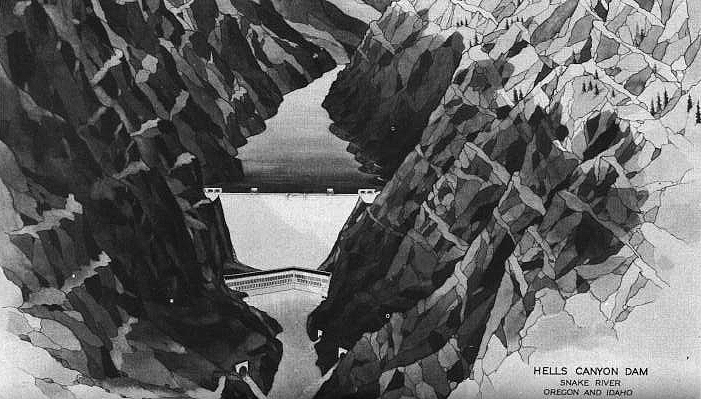
Hell’s Canyon, deep and narrow, was the ideal location for another massive dam on the scale of Hoover or Grand Coulee. Its boosters described it as the last great dam site in America.
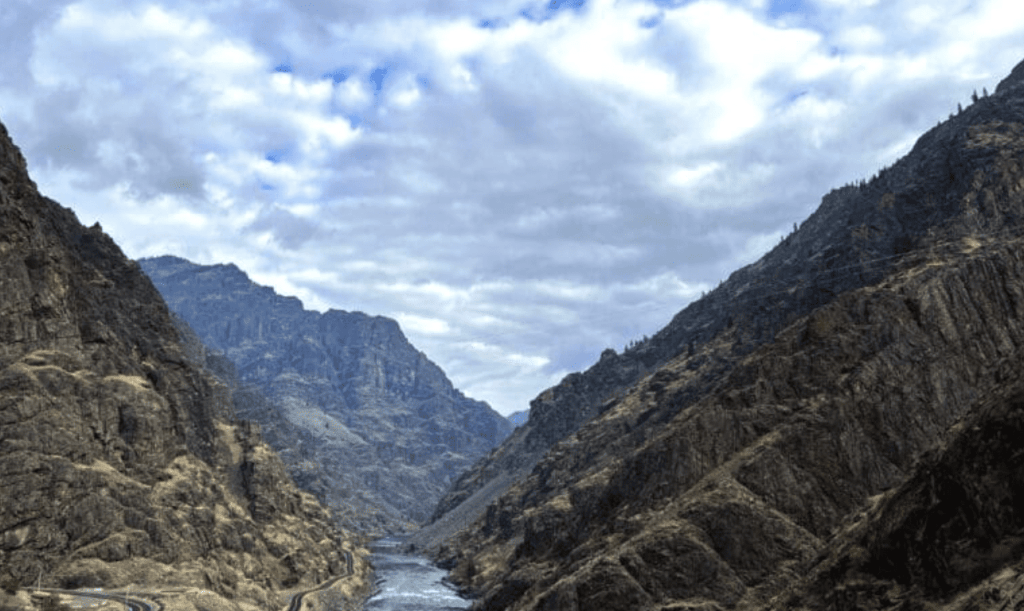
The Bureau of Reclamation first proposed building a public dam on the Snake River in a 1946 report. Planning for a high dam at Hell’s Canyon began the following year, and the Interior Department first recommended Congressional approval for construction in 1949.
Supporters of the dam argued that it would provide much-needed electricity to the rapidly growing and power-hungry West, in addition to providing flood control and improving the navigability of the Snake.
But the federal government wasn’t alone in its desire for the site. Idaho Power submitted a proposal in 1947 for a series of five (later three) smaller dams along the Snake, including one at Hell’s Canyon. They argued that their proposed dams would be cheaper than the federal high dam, while still meeting the region’s power needs effectively.
Harry Truman’s Interior Department opposed the Idaho Power proposal and consistently blocked their plans to build dams along the Snake. But everything changed when Dwight Eisenhower moved into the White House.
Ike made no secret of his opposition to public power. During the 1952 campaign, he attacked the TVA, calling it “creeping socialism.” He unveiled his new vision for resource development during his first State of the Union address.
“The best natural resources program for America will not result from exclusive dependence on Federal bureaucracy,” Ike proclaimed. “It will involve a partnership of the states and local communities, private citizens and the Federal Government, all working together. This combined effort will advance the development of the great river valleys of our nation and the power they can generate.”

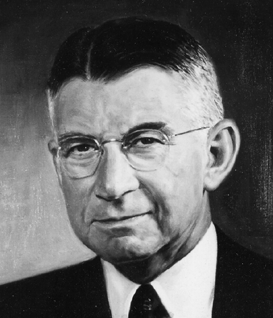
Eisenhower’s pick for Secretary of the Interior, Douglas McKay, had fought efforts to create a TVA-style agency in the Columbia River basin when he was Governor of Oregon. At Interior, he moved quickly to implement Eisenhower’s vision of development “partnership” – which looked to critics like selling out to private utilities.
Under McKay, the Interior Department abandoned a push to create a TVA-like authority in California’s Central Valley, and withdrew authorization for the planned Priest Rapids dam in Washington State. Moves like this led critics to nickname the Interior Secretary “Giveaway McKay.”
Public-power advocates, uneasy about Ike’s administration in general and McKay in particular, were spoiling for a fight. They saw Hell’s Canyon as the ideal battleground.
In August 1953, McKay issued a statement that the Interior Department “does not assume that it has exclusive right or responsibility for the construction of dams or the generation, transmission and sale of electric energy in any area, basin or region.” In other words: federal dam projects were out, and private projects were welcome.
In keeping with this new position, the Interior Department withdrew its prior support for the federal Hell’s Canyon dam and signaled to Idaho Power that it was open to their three-dam proposal.
Congressional Democrats – led by the delegation from the Pacific Northwest – rallied support for a bill authorizing and funding the federal high-dam project. Oregon Senator Wayne Morse, who had been championing Hell’s Canyon bills in Congress since 1952, rolled out a new one in March 1955, attracting 30 co-sponsors, including Kefauver.
“The economic future of the 4 million people and the 392,451 square miles of the Pacific Northwest depends upon the building of Hell’s Canyon Dam,” Morse proclaimed on the Senate floor. “Without it the United States will consign 13 percent of its land area and over 40 percent of its water resources to incomplete, haphazard underdevelopment.”
In the House, the bill was championed by Rep. Gracie Pfost of Idaho, known as “Hell’s Belle” for her vociferous support of the federal high dam.

Unable to reach a consensus, Congress adjourned for the summer without taking action on the bills. They felt safe in waiting, as they’d been told by the Federal Power Commission that no action had been taken on Idaho Power’s proposal to build a private dam in Hell’s Canyon.
But just two days after Congress adjourned, FPC head Jerome Kuykendall gave Idaho Power the green light to build their lower Hell’s Canyon dam. The timing looked deliberate to public-power advocates, who accused Kuykendall and the FPC of treachery. They sued to stop Idaho Power from proceeding.
The pro-power caucus came back in 1956 ready to force a vote. Unfortunately, the Senate voted down Morse’s bill 51-41 in July. All but two Republicans in the Senate opposed the bill, and they were joined by eight conservative Southern Democrats to kill it.
Democrats turned Hell’s Canyon into a campaign rallying cry that fall. As Adlai Stevenson’s running mate, Kefauver led the charge for public power on the trail. He said that the administration power-development efforts had “produced one of the largest, roundest, emptiest zeroes in the history of the development of our nation,” adding that Ike’s “’partnership’ theory has yet to produce one kilowatt of energy,”
“Like so much of his Administration,” Kefauver said, “it is nothing but a phrase and a myth enunciated by an amiable man.”
The GOP’s opposition to public power cost them badly in the Pacific Northwest that November. McKay, who had resigned from the Interior Department to run against Morse for the Senate, lost in a rout. Oregon Democrats gained two U.S. House seats and the governorship, and won control of the state legislature for the first time since 1878. In Idaho, little-known Democrat Frank Church – running on a strong pro-public-power platform – defeated Sen. Herman Welker, a staunch supporter of private power.
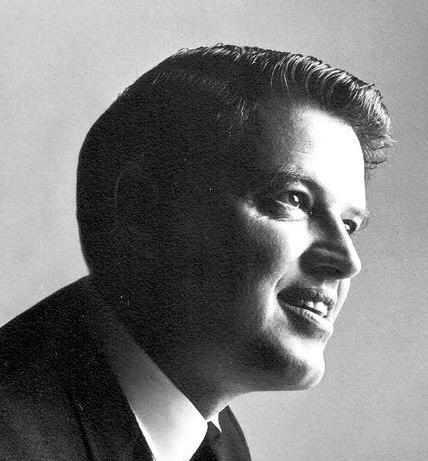
As soon as the Senate reconvened in January 1957, Morse re-filed his bill to fund the high Hell’s Canyon dam, claiming that the election results indicate a “mandate” in favor of the dam. Republicans replied that Ike’s landslide re-election represented a different mandate.
For months, it appeared that Morse’s bill was headed for the same defeat it had suffered the year before. When the Supreme Court refused that April to stop Idaho Power from proceeding with construction of its dams, the outlook grew bleaker still. But then a seemingly obscure bureaucratic move sparked a public outcry – and brought Kefauver onto the field.
With Kefauver’s help, the public power cause was about to get a big boost.
The “Dogged Inqusitior” Steps In
On April 25, 1957, Office of Defense Mobilization director Gordon Gray announced that Idaho Power would be permitted to claim an accelerated tax write-off for its dam construction projects. Instead of deducting the construction costs over a 20-to-50-year period, as was standard for large infrastructure projects, the company would be able to deduct them over a five-year period.
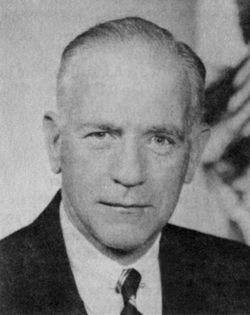
This was a tremendous gift to Idaho Power: the accelerated write-off essentially provided them a tax-free loan on the public’s dime. The Interior Department estimated that the accelerated write-off would cost the government between $17 million and $31 million – and that the benefit to Idaho Power might be ten times that high.
The announcement seemingly came out of left field. Idaho Power had applied for the accelerated write-off back in 1953, but the grant caught the public – and even some members of the administration – by surprise. And the accelerated write-off was only supposed to be available to projects that directly impacted defense or national security. How did Idaho Power’s dams qualify?
ODM insisted that they did. Because the power generated by the dams would be used in part by defense plants, Gray claimed, the dams were “necessary to the national defense.” And it was important to get the dams built as fast as possible, because “the nation is in imminent danger of attack.”
To Kefauver, Gray’s claims didn’t pass the smell test. He believed this was another example of the administration giving away public resources – and public funds – for private gain. He also suspected that the administration was encouraging Idaho Power to speed up construction to weaken the case for the federal high dam – if the private dams were in place, the federal dam would become impossible.
It looked to Kefauver like a replay of the Dixon-Yates scandal – again, the administration was making shady moves to help private power companies and undermine public power.
Within weeks of the ODM’s announcement of the accelerated write-off, Kefauver announced that his Antitrust and Monopoly Subcommittee would be holding hearings into the decision, denouncing the accelerated write-off as a “scandal of Dixon-Yates proportions.”
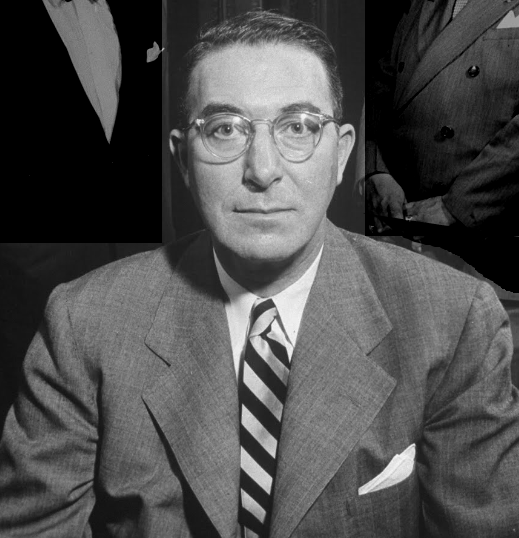
It didn’t take long for those hearings to bear fruit. Gray stoutly defended his decision before the subcommittee, but he refused to say whether he’d discussed the issue with anyone in the White House or at Interior before issuing the write-offs. Claiming executive privilege, Gray also refused to turn over a memo prepared by his predecessor at ODM, Arthur Flemming, which reportedly raised significant issues with the proposed write-offs.
“I do not think you are doing right by the public and this committee,” Kefauver told him, “by withholding this information.”
Gray also refused to turn over a letter from Fred Seaton, McKay’s replacement as Interior Secretary, providing his opinion on the write-offs. If he thought this would prevent Seaton’s opinion from coming to light, he was mistaken. Seaton testified to the subcommittee that he’d been opposed to the write-offs from the start, saying that he didn’t think Idaho Power needed him.
While Seaton conceded that Gray had acted legally in his decision, he said, “I reiterate that I did recommend against issuance of the [write-off] certificates and would do so again.”
ODM’s legal counsel dug Gray’s hole deeper still when he testified that he had issued no memos about whether the write-offs were lawful. (Gray’s indignant explanation: “I saw no reason to ask for a legal opinion.”)
FPC head Kuykendall fared little better before the subcommittee than Gray had. The FPC had told the Supreme Court that the dams would be constructed at no cost to the government, a claim that had aged poorly following the announcement of the write-off.
Kuykendall admitted he knew that Idaho Power had requested the fast write-offs, but he’d accepted their statement that they stood little chance of getting them. “I concede now that we made a mistake,” he said.
Kefauver charged that Idaho Power had engaged in “fraud and deception” by telling the FPC it stood little chance of getting the write-offs while also “prodding ODM to get the tax certificates.” A helpless Kuykendall stammered, “I think I can see how Idaho Power can say that the two things they were doing were not inconsistent.”
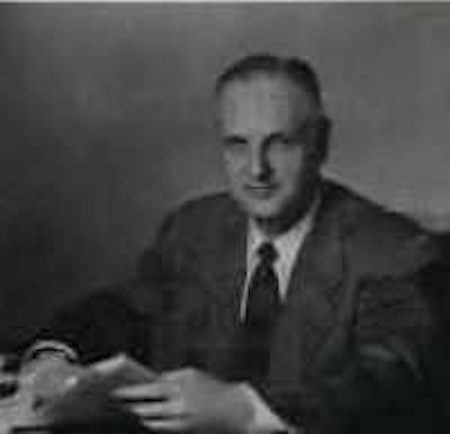
The FPC’s chief accountant, Russell Rainwater, poured further fuel on the fire when he revealed that he’d calculated that the fast write-offs would cost the government $83.5 million – a far cry from the $17-31 million figures that the government had cited previously.
“The Eisenhower administration has once again stubbed its toe on the power issue,” wrote columnist Doris Fleeson on the revelations from Kefauver’s hearings. “The dogged inquisitor has already drawn an embarrassing amount of the Administration’s blood.”
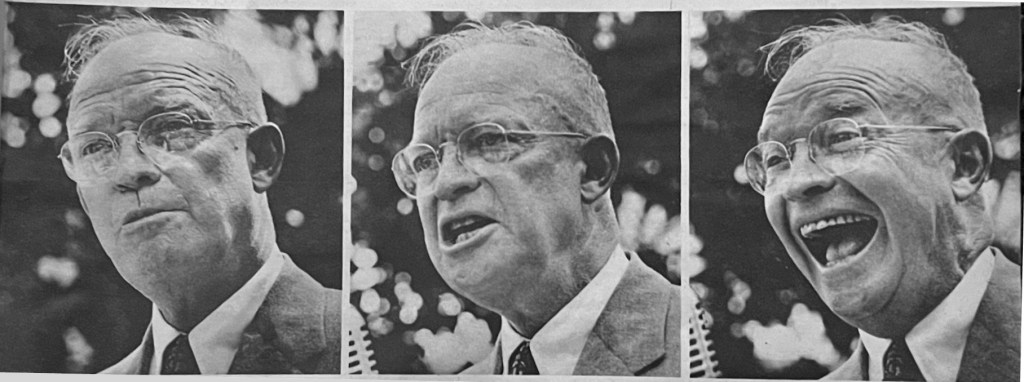
Thanks in large part to the headlines generated by the hearings, it suddenly looked as though Morse’s bill to fund the high dam might have a chance of passing. Several fiscally conservative Democrats, who’d previously voted against the federal dam because they thought it cost too much, were outraged by Rainwater’s estimate of how much the write-offs would cost the government.
Richard Russell, who’d voted against the dam in 1956 on cost grounds, stated that it was now “very apparent that the Federal Government was going to pay for the dam in any event. If we were going to pay for it… we ought to have title to it.”
On the eve of the vote, Idaho Power president T.E. Roach suddenly announced that his company wouldn’t be taking the accelerated write-offs after all. The company was returning the tax certificates to ODM, Roach said, “to remove the fluff and feathers from the argument.”
But the move wasn’t just about fluff and feathers. As the Louisville Courier-Journal wrote in an editorial, “Private power companies don’t pass up fat plums like this out of the goodness of their corporate hearts. Somebody got scared… With new and juicy relations coming out of the Kefauver investigating committee almost daily… they have chosen to sacrifice the tax gift, obviously in hopes of saving the far more valuable gift of the Hell’s Canyon dam site.”
Roach’s announcement was too little, too late. On June 22, the Senate voted 45-38 to authorize and fund the high dam at Hell’s Canyon. Five Southern Democrats (including Russell) and two Republicans who’d voted against the dam in 1956 flipped and voted for it this time. As the vote concluded, the galleries burst into applause – a very rare event – and pro-Hell’s Canyon House Democrats went onto the floor to shake the hands and slap the backs of their Senate counterparts.
Kefauver, though, wasn’t done. He announced that his subcommittee’s hearings into the write-offs would continue.
The subcommittee had noticed something suspicious in the timing of ODM’s announcement of the write-off. Gray had made his public announcement on April 25th. But J.B. Wyckoff, Gray’s deputy, had telephoned Idaho Power a week earlier on the 17th, to notify them of the decision. That same day, Idaho Power’s stock spiked; six times the usual daily volume of shares changed hands that day.
It looked an awful lot like insider trading, especially when it came out that four stockholders had purchased more than 2/3 of all Idaho Power shares traded that month,
In the end, public-power advocates lost the battle for the Hell’s Canyon high dam; it died when the House Interior Committee voted against it in July. The loss at Hell’s Canyon marked the beginning of the end of the federal government’s foray into building big hydroelectric dams. The shift away from big public power projects initiated by the Eisenhower Administration proved permanent. And high dams fell out of favor generally in the following decades due to cost and environmental concerns.
But it would be a mistake to call Kefauver’s hearings a failure. They did result in a victory – albeit one that didn’t make the headlines.
The Power of Sunlight
Kefauver may not have been able to get the Hell’s Canyon high dam built, but he succeeded in killing ODM’s ability to issue accelerated tax write-offs.
As a result of his hearings, Congress drafted a bill immediately limiting the scope of fast write-offs to only specialized and advanced defense equipment – the purpose for which they were originally intended – and eliminating them altogether by the end of 1959. The Senate passed the bill in August 1957; Eisenhower signed it into law two weeks later.
This refuted one of the common charges leveled at Kefauver’s public hearings: that they generated lots of headlines, but not much in the way of results.
If these hearings had primarily been about getting attention – or just about generating pressure for the Hell’s Canyon dam bill – Kefauver would have wrapped them up quickly after the bill passed the Senate. But he kept going for weeks, after the press spotlight had moved on, and he achieved results. The closure of the accelerated write-off loophole wasn’t going to garner headlines or public acclaim, but it made government operations a little better and more ethical.
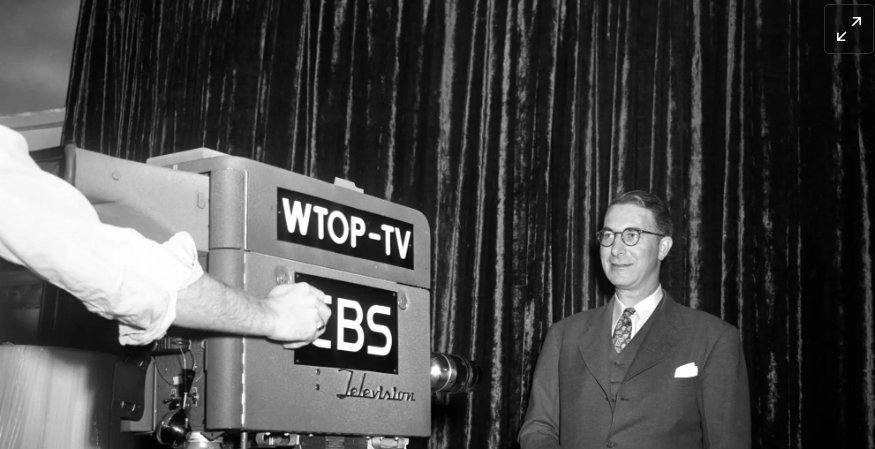
The slow, steady drumbeat of findings from the hearings showed why Kefauver earned Fleeson’s “dogged inquisitor” label. Much like the Dixon-Yates investigation, the Idaho Power tax write-offs weren’t a glamorous subject. These weren’t the organized crime hearings, where showdowns with mob bosses and corrupt officials on the take made for high televised drama.
But Kefauver and his staffers did the work to make their findings land. They dug through records, piecing together small details and exposing questions and inconsistencies. Kefauver took these often-arcane details and translated them into a story the public could understand.
Through his patient, persistent questioning – and by always bringing the receipts – Kefauver made powerful government and corporate officials squirm as they tried to explain away shady deeds they thought no one would notice. Kefauver noticed – and he made the public notice too.
Kefauver didn’t coin the phrase “sunlight is the best disinfectant.” But his investigations demonstrated that principle in practice. He believed that if the dirty dealings of powerful people were brought to light, the public would respond – and demand better.
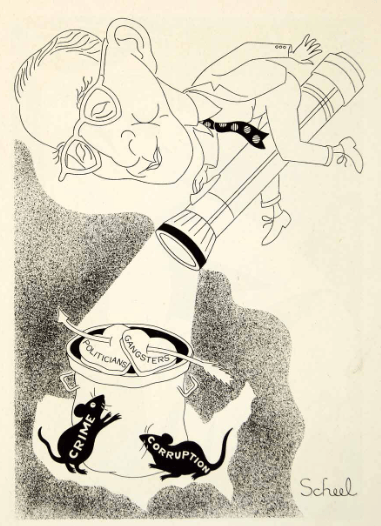
This was the same spirit that would animate the Watergate hearings, investigative journalism, and Ralph Nader’s consumer-advocacy movement in the decades to come. Whether they recognized it or not, they were following in Kefauver’s footsteps.
Kefauver couldn’t save the cause of public power. But he demonstrated again that the public had the power to achieve government accountability and reform – and that was the real win in the end.


Leave a Reply