
Stop me if you’ve heard this one before: an ambitious Southerner with a big grin decides to seek the Democratic Party’s nomination for President. His hard-working campaign style and his reputation for honesty strikes a chord with a public that’s weary of scandals and ready for a fresh voice on the national scene. The party bosses aren’t so fond of the outsider, however, and they’re determined to find someone – anyone – who can block the upstart’s path toward the nomination. But the voters feel otherwise, and the outsider racks up win after win in the primaries.
This sounds like the story of Estes Kefauver’s bid for the nomination in 1952. But it also describes Jimmy Carter’s run in 1976. There’s one obvious difference, however: Carter captured the Democratic nomination (and the Presidency), while Kefauver was blocked at the convention.
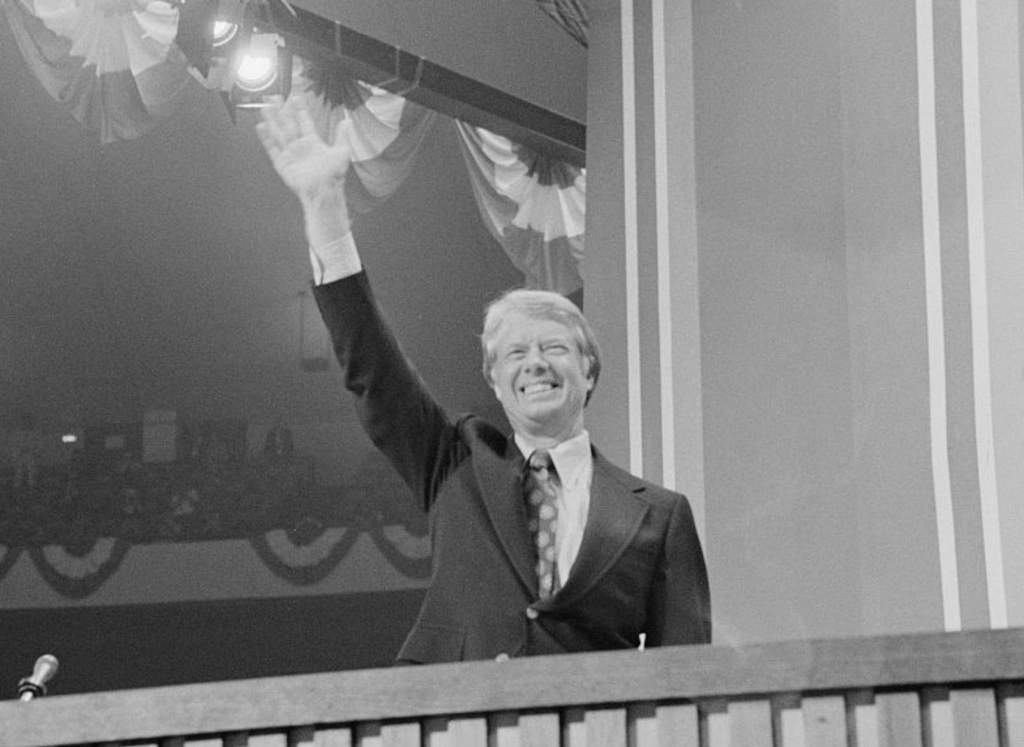
To be clear, I am not the first person to notice the parallels between the Carter and Kefauver campaigns. Stan Isaacs, the iconoclastic Newsday columnist, observed the similarities during Carter’s primary run and wrote a column on the subject in May 1976.
Isaacs started his column with a quote from the New York Times (“He has earned the cordial dislike of many a professional politician of his own party as an upstart who has managed to elbow most of his seniors out of the limelight…”) that sounded like it was describing Carter during the ’76 primary, but was actually referring to Kefauver in ’52.
Referring to the multi-pronged anybody-but-Carter movement during the ’76 primaries, Isaacs noted that “some of the events of the Jimmy-jamming for the Democratic presidential nomination this year wake up some echoes of Kefauver’s unsuccessful bid for the Presidency in 1952.”
Isaacs then recapped the events of the 1952 primary season (we’ve covered those previously here, so no need to repeat here). I was pleased to see Isaacs note that “Kefauver, as it turned out, was more liberal than [Adlai] Stevenson, but that didn’t come across at the time to the liberals – who went to the convention with [Averell] Harriman as their standard bearer and then were infatuated by Stevenson’s erudition and style.” I feel like Isaacs would have been on board with my revisionist view of Stevenson from a couple weeks ago.
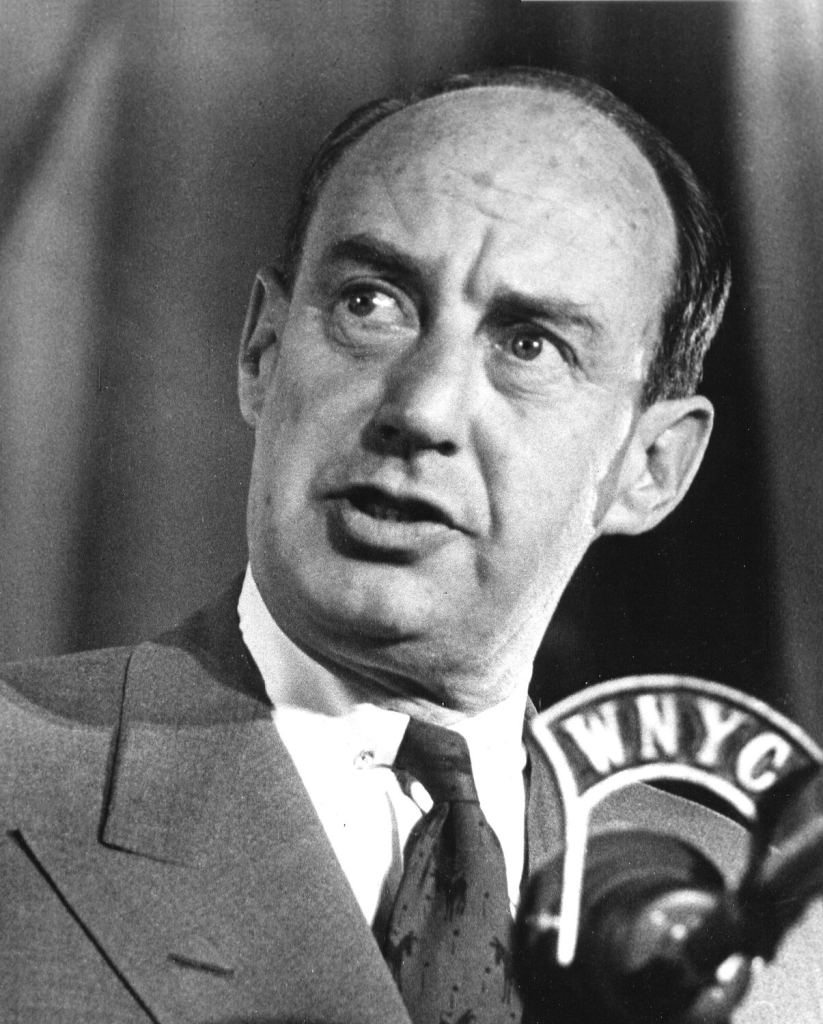
To Isaacs, the primary parallel between Carter and Kefauver was that although “Carter has been dominating primaries in the Kefauverian style… many of the entrenched interests continue to regard him as an outsider.” He noted that California Governor Jerry Brown had been thrown up as a stop-Carter candidate (and some viewed Frank Church in the same vein), and suggested that former Vice President Hubert Humphrey was the Stevenson-like establishment figure lurking in the wings, waiting to be tapped.
But Isaacs then pictured to the differences between the two campaigns, noting that “the differences are all in Carter’s favor.”
One key difference, he noted, was that “the South of today [i.e. 1976] is not the South of 1952.” Whereas Kefauver was considered a “liberal maverick” and a traitor to his region by fellow Southerners, “Carter is part of the southern mainstream and has the support of that region.”
He has a point there, although it would be more accurate to say that Carter was part of the Southern Democratic mainstream in ’76. Many of the South’s archconservatives had already started defecting to the Republican Party by this time. (That defection would increase dramatically four years later with the rise of Ronald Reagan, and would continue into the 1990s.)
Isaacs also pointed out that Carter was not quite as anathema to the Democratic powers that be as Kefauver had been. He noted that Carter did not have an incumbent Democratic administration working against him, that he was “not as alienated from congressional support as Kefauver was,” and that he had “kept lines open to important political bosses like Chicago Mayor Richard Daley.” All fair points.
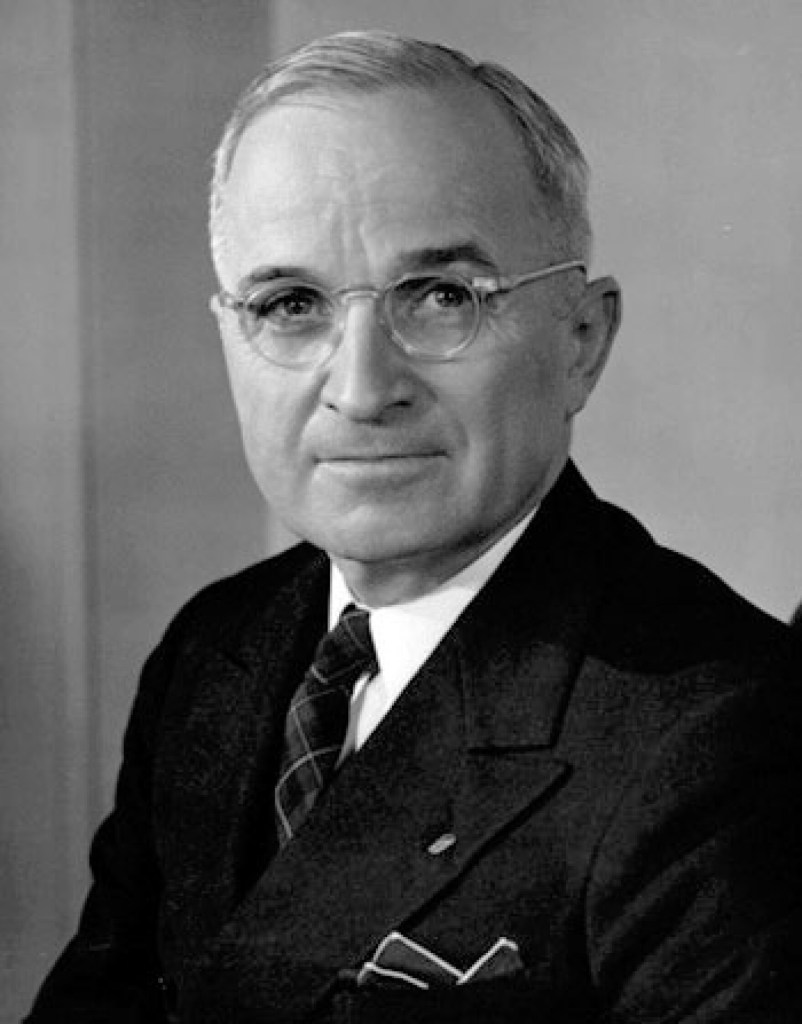
Isaacs also argued that “[w]hereas Kefauver’s opponents could unite on a Stevenson, Carter’s opponents are divided about whom they would accept.” While the latter half of that statement is accurate, the anti-Kefauver forces did not coalesce around Stevenson until the convention was underway. Although Truman had prodded Stevenson hard about getting into the race, he’d grown sick of Adlai’s waffling by the time the convention started and was instead pushing for his own vice president, Alben Barkley.
This gets at the actual biggest difference between Kefauver’s campaign and Carter’s, which is something Isaacs didn’t mention at all. (In fairness, he was primarily a sports columnist, not a political columnist.) The key difference is that primaries played a much larger role in delegate selection in 1976 than they did in 1952.
When Kefauver made his first Presidential run, only 15 states held presidential primaries. Even though Kefauver dominated the primaries that were held, he had no way to win enough delegates to clinch the nomination via that route. The majority of the delegate slates were chosen by the party bosses, who were dead set against him.
By the time Carter ran, it was a whole new ballgame. After Humphrey won the 1968 nomination without entering a single primary, Democratic voters grew fed up and demanded reform. That led to the McGovern-Fraser Commission, which dramatically altered the delegate selection process and gave a larger voice to the voters (especially minorities, women, and voters under 30, whose voices had historically been ignored).
By 1976, 30 states chose most or all of their delegates via primary. And many of the others, which relied on state or district conventions to allocate delegates, were more open than they had been previously. As a result, Carter was able to roll up enough delegates to capture a majority before the convention arrived. Even if the powers that be had wanted to deny Carter the nomination at the convention, they could not have done so.
Unlike in 1952, the “Stop Carter” movement needed to take place in the primaries. And there, as Isaacs noted, the opposition was unable to coalesce around a single candidate. But Kefauver’s opponents weren’t able to coalesce around a single opponent in the 1952 primaries either. It was only at the convention – when Stevenson finally acquiesced to a draft and then charmed the delegates with his opening speech – that the anti-Kefauver forces settled on a choice.
In short, I think that Carter probably would have been rejected by the Democrats if he’d run under the 1952 delegate selection rules. And Kefauver, if he’d been running under the 1976 system, probably could not have been stopped. (If anything could have stopped him, it might have been sheer exhaustion. Kefauver’s person-to-person campaign style would have been even more draining with twice as many primaries to cover.)
Isaacs’ article goes to show just how much the Democrats opened up their Presidential candidate selection process in the span of a few election cycles – and how that change made the process better for the voters.

 Estes Kefauver for President
Leave a comment