-
“The Gag Stuff Is Out”

Some things never change – including the ridiculous stories that get written during political “silly season.” In this case, the dead time between conventions led to a silly story about a bizarre “ban.”
-
Campaign 1948: Kefauver Beats the Machine and Enters the Senate

Let’s go back to where it all began. In Estes Kefauver’s first campaign for the Senate, he took down a powerful political machine, earned the national spotlight… and gained a symbol that stuck with him.
-
Sing Along With Keef, Part 2: “Senator From Tennessee”

Estes Kefauver’s probe of organized crime turned him into a national hero, and inspired movies, TV shows… and even songs. Here’s a song that speaks to Kefauver’s crime-busting reputation.
-
Tennessee Comes to Seattle: Kefauver at the World’s Fair

In 1962, Kefauver attended the World’s Fair in Seattle. While he was there, he got to represent his state, visit his daughter, travel to space, and greet a milestone visitor. Not bad for one day.
-
Kefauver and LBJ: Two Paths to Power
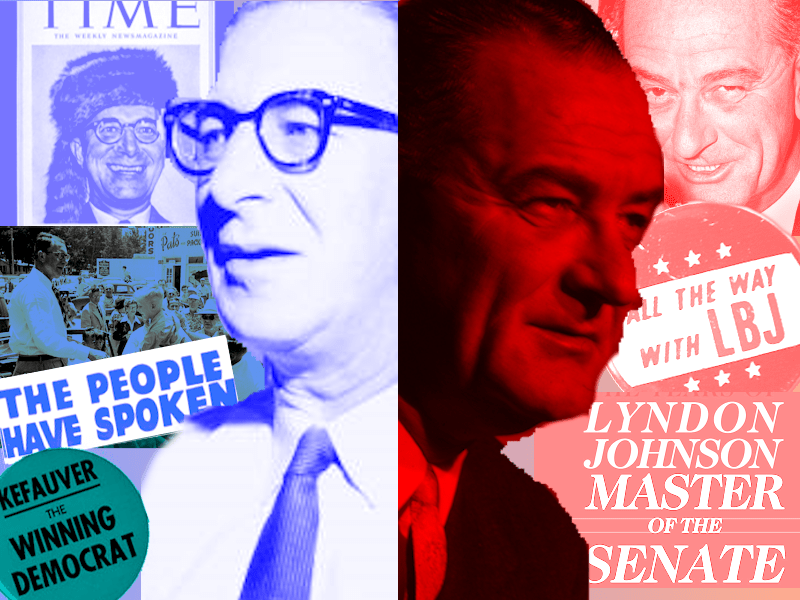
Estes Kefauver and Lyndon Johnson had a number of things in common: two liberal-leaning, ambitious Southern Democrats who joined the Senate in the same year. But their approach to politics – and the pursuit of power – couldn’t have been more different.
-
Sing Along with Keef: “Estes Is Bestes”
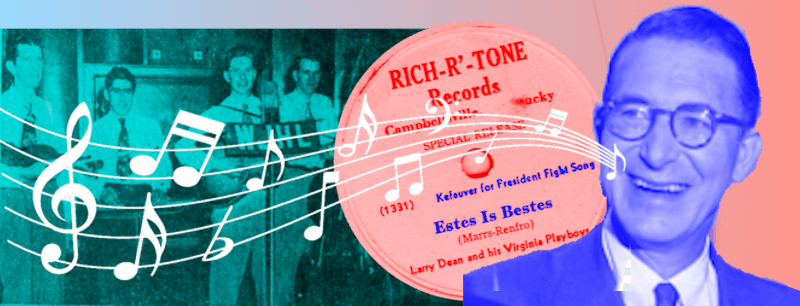
The song most associated with Kefauver was “The Tennessee Waltz,” for better or for worse (and definitely for worse after a long campaign). But there’s a long-forgotten campaign song that captures his folk-hero appeal.
-
The Past is a Foreign Country: Decoding an Old Political Poster
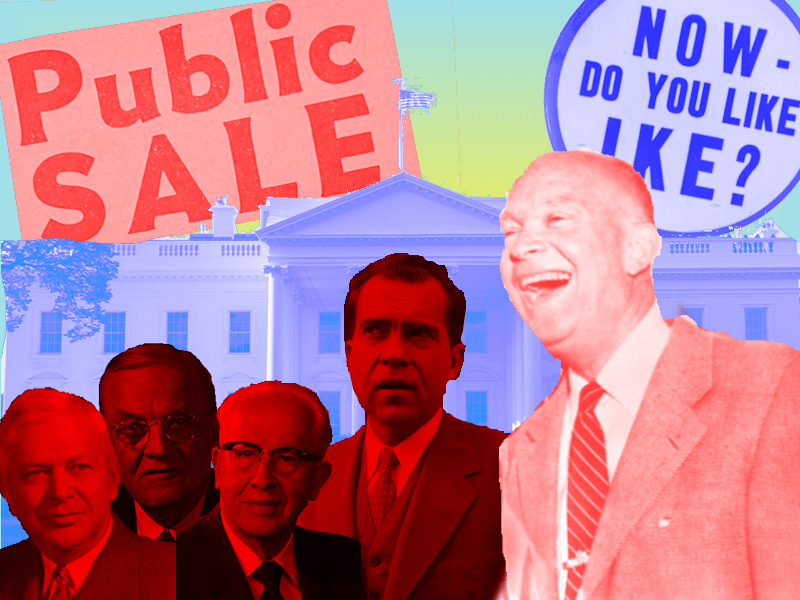
I decipher an anti-Eisenhower poster from 1956, showing how many issues that seem vitally important in their day will ultimately be forgotten by history.
-
Christmas Crash: Go-Kart Is a No-Go

Although Kefauver’s political career made it difficult for him to spend time with his kids, he did his best to be a fun and loving father. Sometimes, however, that habit hurt him… literally.
-
Hoosier Candidate?

A sample ballot from the 1956 Indiana primary offers a snapshot of state’s political scene… and a handful of fascinating stories.
-
Lights, Camera, Action!
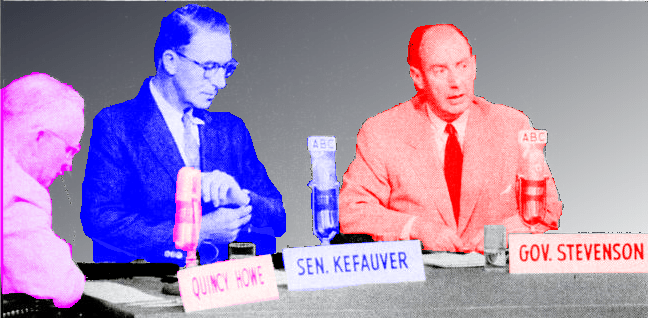
If you think the first presidential debate on TV was between Nixon and JFK, you’re off by four years. It was Adlai Stevenson and Estes Kefauver who first took their case to the airwaves. Find out what they discussed – and how it showed the real differences between the candidates.
-
Subscribe
Subscribed
Already have a WordPress.com account? Log in now.
 Estes Kefauver for President