Nancy Kefauver was the ideal partner for Estes. She was a loving wife and mother, a brilliant household manager… but also a talented artist, a capable campaigner, and a certified charmer.
After getting his Presidential hopes crushed at the 1952 convention, Kefauver tried for a Constitution amendment mandating national primaries. Was he the biggest obstacle to his amendment’s success?
Kefauver had a lot of challenges in his runs for President, but he had the most powerful political columnist in America on his side. How far did the columnist go to help Kefauver win, and why wasn’t he ultimately able to get it done?
This is a story about one of Kefauver’s campaign songs. But it’s although the story of the plucky Nashville songwriter who leveraged the song’s success to become a D.C. society queen,
In 1953, Democrats found themselves completely out of power for the first time in a generation. Kefauver had some ideas on how his party should navigate life in the minority.
In 1952, when Kefauver was first launching his presidential campaign, a magazine ran an article imagining his administration. It made Kefauver sound like more of a myth than a man.
In 1952, Florida Governor Fuller Warren challenged Kefauver to a debate about gambling and crime. Kefauver accepted the challenge, but when he showed up to debate… Warren was nowhere to be found.
In 1952, Estes Kefauver and Richard Russell had a furious faceoff on a Miami TV station. Was it the first televised Presidential debate? It’s complicated.
The Kefauver family loved pets. At various times, the family had a veritable menagerie of animals around the home, including dogs, cats, birds, mice, and even… a skunk?
Kefauver’s popularity with the people made him a popular campaign speaker, especially in tough districts. In 1953, he helped Democrats flip a ruby-red seat in Wisconsin by connecting with farmers.
Ever the reformer, Estes Kefauver proposed a bold plan for reinventing the political convention during his 1952 Presidential campaign. His suggestions were ignored… but some of them were adopted eventually.
When two Senators made a friendly wager on the outcome of this game, they felt they had a lot at stake.
As it turns out, the real stakes of the game were about the future of college football.
Throughout his career, Estes Kefauver used country music to connect with people and promote his campaigns.
Like Kefauver himself, it may not have impressed the powerful, but it hit home with regular people.
Harry Truman was looking for a successor… as long as it was anyone but Estes Kefauver.
Did Truman let a personal grudge cost the Democrats their best shot at beating Ike and extending Truman’s legacy?
India Edwards should be an icon: female DNC vice chair, H, 1952 VP candidate, convinced Truman to appoint numerous women. Why is her story so little remembered?
Estes Kefauver’s campaigning failed to win the Presidency. But even as he lost, he pioneered a new form of Presidential campaigning… and he started the momentum to let the voters decide the nominee.
Southern outsiders battling the party establishment: was Carter running Kefauver’s playbook? One columnist saw the similarities, but missed the key reason why Carter succeeded where Kefauver failed.
Adlai Stevenson was one of the most admired losing candidates of all time. Here’s my hot take: He was a lousy candidate, and he encouraged the Democrats’ worst tendencies.
Kefauver wasn’t the only 1950s presidential hopeful who came up short. There was also Krajewski, the New Jersey pig farmer and bar owner, whose views were a little… different.
Kefauver was a principled politician, which cause stumbling blocks for his ambitions. In particular, his refusal to build a political organization made his campaigns harder than they had to be… and may have been hazardous to his health.
Eisenhower’s 1952 relied on the sales of Madison Avenue -and Disney – to roll to victory. After resisting those techniques the first time around, the Stevenson/Kefauver campaign gave them a try in ’56. How did it turn out? Judge for yourself.
Think Kefauver’s rise from freshman Senator in ’48 to Presidential candidate in ’52 was really quick? Turns out he was being talked up for national office even earlier… as in immediately.
Some things never change – including the ridiculous stories that get written during political “silly season.” In this case, the dead time between conventions led to a silly story about a bizarre “ban.”
Estes Kefauver’s probe of organized crime turned him into a national hero, and inspired movies, TV shows… and even songs. Here’s a song that speaks to Kefauver’s crime-busting reputation.
Estes Kefauver and Lyndon Johnson had a number of things in common: two liberal-leaning, ambitious Southern Democrats who joined the Senate in the same year. But their approach to politics – and the pursuit of power – couldn’t have been more different.
The song most associated with Kefauver was “The Tennessee Waltz,” for better or for worse (and definitely for worse after a long campaign). But there’s a long-forgotten campaign song that captures his folk-hero appeal.
Kefauver’s advisors wrote an acceptance speech in case he won the Presidential nomination in ’52. It’s not as pretty as the one Adlai Stevenson gave… but it might have been more effective.
Before he started slinging irresponsible accusations about Communism, Joseph McCarthy was slinging irresponsible accusations about the Army… and sticking up for the Nazis. No, seriously.
Kefauver’s handshake made him famous. But it was really just a symbol of his campaign style, and his belief in the importance of personal contact with voters.
Riding a wave of popularity from the televised crime hearings, a young Kefauver – still in his first term as a Senator – decided to run for President. His popularity carried him a long way… but, as it turned out, not long enough.
 Nancy Kefauver was the ideal partner for Estes. She was a loving wife and mother, a brilliant household manager… but also a talented artist, a capable campaigner, and a certified charmer.
 After getting his Presidential hopes crushed at the 1952 convention, Kefauver tried for a Constitution amendment mandating national primaries. Was he the biggest obstacle to his amendment’s success?
 Kefauver had a lot of challenges in his runs for President, but he had the most powerful political columnist in America on his side. How far did the columnist go to help Kefauver win, and why wasn’t he ultimately able to get it done?
 This is a story about one of Kefauver’s campaign songs. But it’s although the story of the plucky Nashville songwriter who leveraged the song’s success to become a D.C. society queen,
 In 1953, Democrats found themselves completely out of power for the first time in a generation. Kefauver had some ideas on how his party should navigate life in the minority.
 In 1952, when Kefauver was first launching his presidential campaign, a magazine ran an article imagining his administration. It made Kefauver sound like more of a myth than a man.
 In 1952, Florida Governor Fuller Warren challenged Kefauver to a debate about gambling and crime. Kefauver accepted the challenge, but when he showed up to debate… Warren was nowhere to be found.
 In 1952, Estes Kefauver and Richard Russell had a furious faceoff on a Miami TV station. Was it the first televised Presidential debate? It’s complicated.
 The Kefauver family loved pets. At various times, the family had a veritable menagerie of animals around the home, including dogs, cats, birds, mice, and even… a skunk?
 Kefauver’s popularity with the people made him a popular campaign speaker, especially in tough districts. In 1953, he helped Democrats flip a ruby-red seat in Wisconsin by connecting with farmers.
 Ever the reformer, Estes Kefauver proposed a bold plan for reinventing the political convention during his 1952 Presidential campaign. His suggestions were ignored… but some of them were adopted eventually.
 When Kefauver took his Presidential campaign to Oregon in 1952, he wound up getting initiated into a… wild bunch of locals.
 When two Senators made a friendly wager on the outcome of this game, they felt they had a lot at stake. As it turns out, the real stakes of the game were about the future of college football.
 Throughout his career, Estes Kefauver used country music to connect with people and promote his campaigns. Like Kefauver himself, it may not have impressed the powerful, but it hit home with regular people.
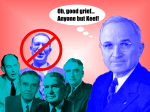 Harry Truman was looking for a successor… as long as it was anyone but Estes Kefauver. Did Truman let a personal grudge cost the Democrats their best shot at beating Ike and extending Truman’s legacy?
 In 1952, Kefauver wrote a scholarly article surveying the history of political ethics in America. How would he feel about where we are today?
 India Edwards should be an icon: female DNC vice chair, H, 1952 VP candidate, convinced Truman to appoint numerous women. Why is her story so little remembered?
 Estes Kefauver’s campaigning failed to win the Presidency. But even as he lost, he pioneered a new form of Presidential campaigning… and he started the momentum to let the voters decide the nominee.
 Southern outsiders battling the party establishment: was Carter running Kefauver’s playbook? One columnist saw the similarities, but missed the key reason why Carter succeeded where Kefauver failed.
 Adlai Stevenson was one of the most admired losing candidates of all time. Here’s my hot take: He was a lousy candidate, and he encouraged the Democrats’ worst tendencies.
 Henry Luce, the publisher of Time and Life magazines, was a huge supporter of Dwight Eisenhower. No wonder his magazine was so snotty about Kefauver!
 Kefauver wasn’t the only 1950s presidential hopeful who came up short. There was also Krajewski, the New Jersey pig farmer and bar owner, whose views were a little… different.
 Kefauver was a principled politician, which cause stumbling blocks for his ambitions. In particular, his refusal to build a political organization made his campaigns harder than they had to be… and may have been hazardous to his health.
 Eisenhower’s 1952 relied on the sales of Madison Avenue -and Disney – to roll to victory. After resisting those techniques the first time around, the Stevenson/Kefauver campaign gave them a try in ’56. How did it turn out? Judge for yourself.
 Think Kefauver’s rise from freshman Senator in ’48 to Presidential candidate in ’52 was really quick? Turns out he was being talked up for national office even earlier… as in immediately.
 Follow me as I track down the story behind a magazine photograph. I try to figure out not only where Kefauver was… but when and why
 Some things never change – including the ridiculous stories that get written during political “silly season.” In this case, the dead time between conventions led to a silly story about a bizarre “ban.”
 Estes Kefauver’s probe of organized crime turned him into a national hero, and inspired movies, TV shows… and even songs. Here’s a song that speaks to Kefauver’s crime-busting reputation.
 Estes Kefauver and Lyndon Johnson had a number of things in common: two liberal-leaning, ambitious Southern Democrats who joined the Senate in the same year. But their approach to politics – and the pursuit of power – couldn’t have been more different.
 The song most associated with Kefauver was “The Tennessee Waltz,” for better or for worse (and definitely for worse after a long campaign). But there’s a long-forgotten campaign song that captures his folk-hero appeal.
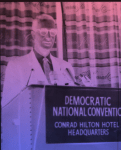 Kefauver’s advisors wrote an acceptance speech in case he won the Presidential nomination in ’52. It’s not as pretty as the one Adlai Stevenson gave… but it might have been more effective.
 Before he started slinging irresponsible accusations about Communism, Joseph McCarthy was slinging irresponsible accusations about the Army… and sticking up for the Nazis. No, seriously.
 Kefauver’s handshake made him famous. But it was really just a symbol of his campaign style, and his belief in the importance of personal contact with voters.
 Riding a wave of popularity from the televised crime hearings, a young Kefauver – still in his first term as a Senator – decided to run for President. His popularity carried him a long way… but, as it turned out, not long enough.
 The coonskin cap was a symbol for Estes Kefauver throughout his political career. Why? Hint: It had nothing to do with Davy Crockett.
 Estes Kefauver for President