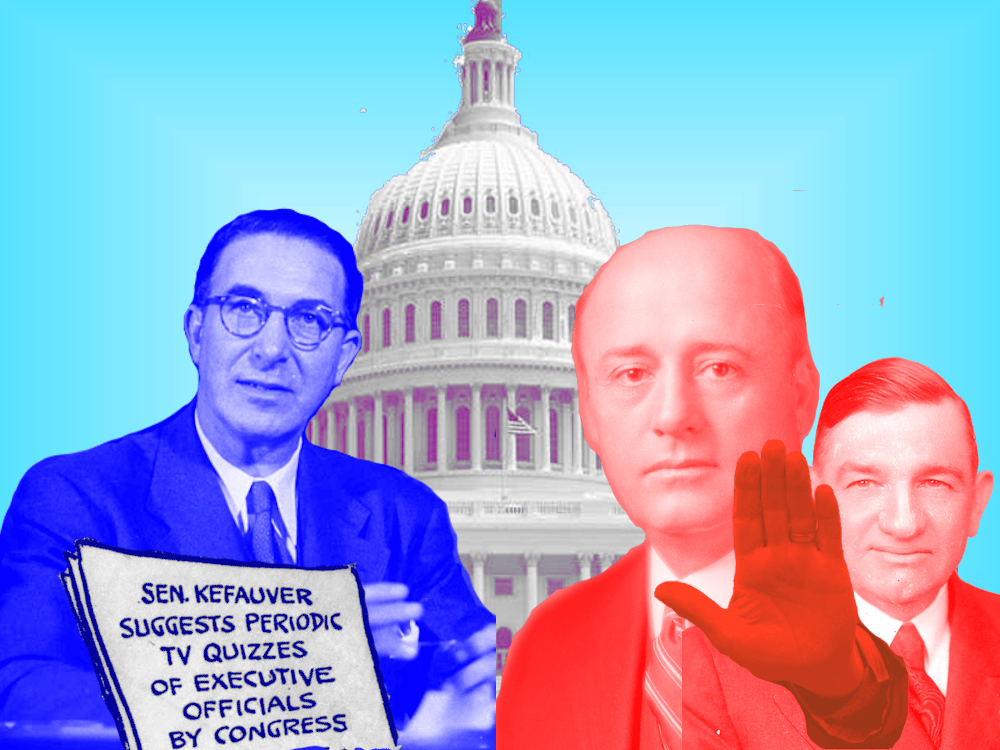
Estes Kefauver championed many political reforms throughout his career. But if I had to choose his signature proposal, it was his plan to have Cabinet members appear on the floor of Congress for question time.
The “report and question period” proposal, as he called it, was arguably his first major Congressional bill: he proposed it after just four years in the House. It was also one of his last: he filed it for the final time in April 1963, just four months before his death. He featured the idea in his book A Twentieth Century Congress. He touted it on the trail during his 1952 Presidential run.
He invited his colleagues to critique the proposal in open debate, answering every single question they raised. He wrote editorials and gave speeches to promote the plan. He lobbied the President’s Cabinet – and even the President himself – to support his idea. That was a tribute to his dogged persistence, but it also showed how much he believed in the idea.
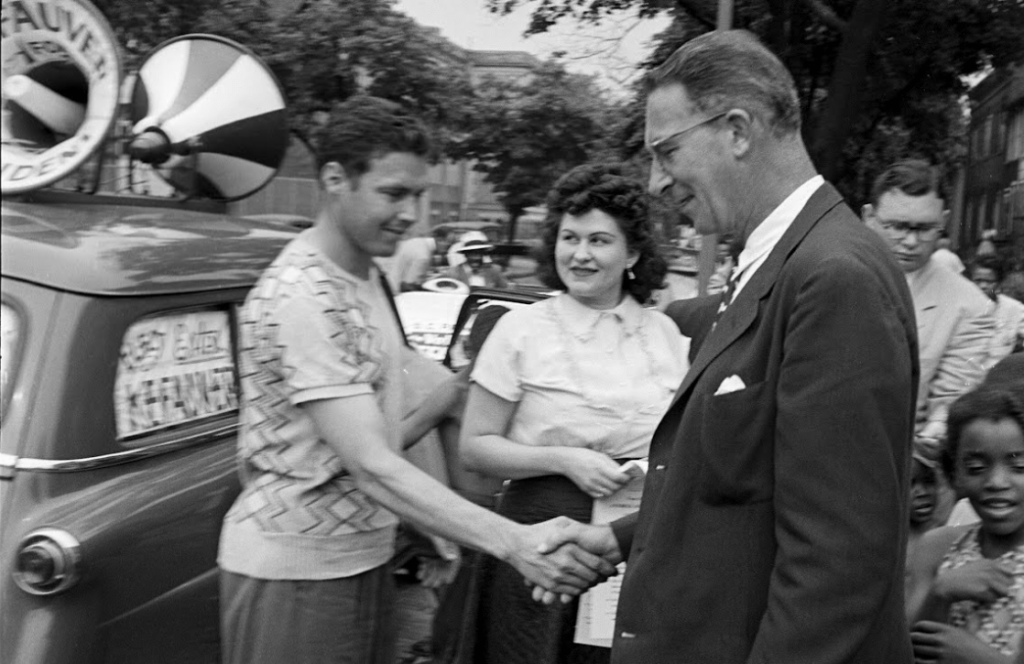
But despite two decades of effort – and despite overwhelming support from the public, many colleagues, and hundreds of newspapers – Kefauver never got his signature idea adopted.
The idea failed for the same reason his push to democratize the Presidential nominating process failed. The people whose support he needed – in this case, senior Congressional leaders – were the ones who benefited the most from the status quo.
Knowledge Is Power
Kefauver’s proposal was born in the middle of World War II. That was no accident – he was inspired by a creative solution that the War Department used to share vital information.
In 1943, Secretary of War Henry Stimson and Army Chief of Staff George Marshall had a dilemma. They wanted to keep Congress informed on the progress of the war, but they didn’t have time for a series of individual briefings and they wanted to be able to share confidential information without it spilling into the press. Their solution: bring the whole membership of both houses together at the Library of Congress for a series of off-the-record briefings about the state of the war.
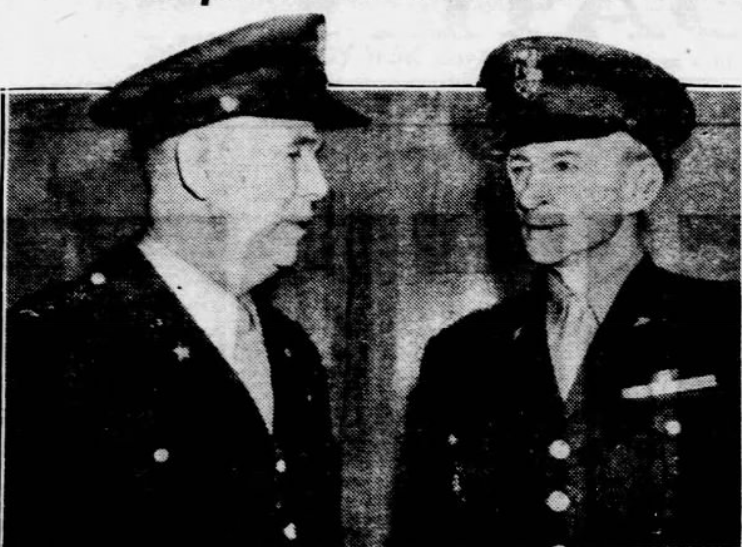
Kefauver found the briefings useful, and it got him thinking: What if we did this more often? Not just about the war, but all the operations of government? What if we did it on the floor of Congress – and instead of just a one-way briefing, what if members had a chance to ask questions? The question time proposal was born.
Kefauver proposed that the House set aside a two-hour period every week or two, and invite the head of a Cabinet department or federal agency to discuss important topics.
During the first hour, the executive official would provide a report on the topic at hand and respond to pre-submitted questions from the relevant Congressional committee. During the second hour, individual members of Congress could ask questions from the floor. The time would be divided evenly between the committee chairman and the ranking minority member, ensuring that both parties had a chance to ask questions.
The idea itself wasn’t new. During the very first Congress, George Washington came to the Senate to discuss a treaty in progress, and multiple Cabinet members came to the floor of Congress to answer questions and engage in debate.
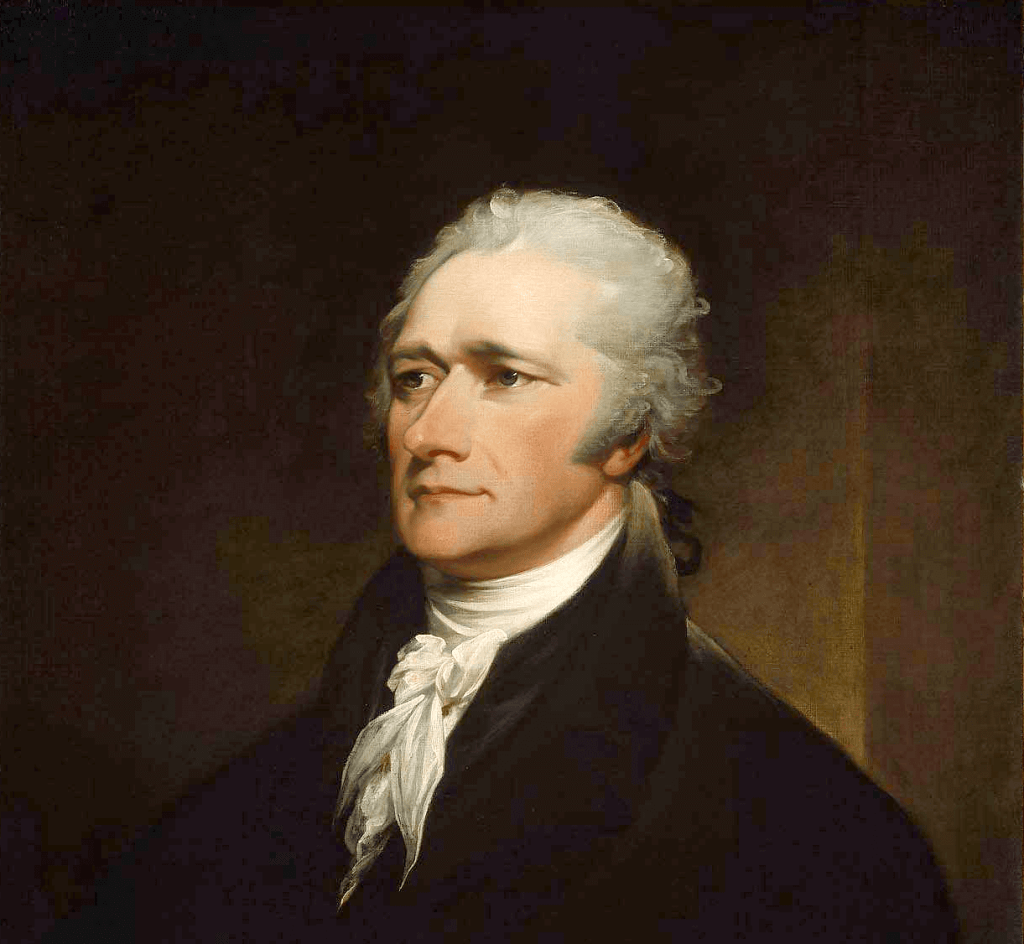
Unfortunately, the practice didn’t last. Washington stopped coming to Congress after the Senate offered more suggestions on the treaty than he wanted. Congress continued inviting Cabinet members even after Washington left, but the stopped doing so after they got fed up with Alexander Hamilton’s arrogance.
During the Civil War, Rep. George Pendleton of Ohio made a proposal to revive the tradition of Cabinet members coming before Congress. In the 1880s, now a Senator, Pendleton tried again. Both times, his proposal died without a vote.
In 1912, President William Howard Taft recommended the adoption of question periods in his final State of the Union message. The idea was also endorsed by Woodrow Wilson and Herbert Hoover, both noted students of government.
As Kefauver saw it, the idea solved a crucial problem for Congress: getting reliable information about government operations.
“All these departments were established by Congress and spend billions which Congress authorizes,” he noted in Twentieth Century Congress. “It is the duty of Congress to know what they are doing.”
Congressional committees provided oversight of executive departments and agencies, and they had the opportunity to hold hearings and question officials. But for members who weren’t on the committee in question, they could either wade through hearing reports running hundreds or even thousands of pages, or rely on whatever semi-accurate snatches of information they read in the papers or heard second-hand from constituents or lobbyists.
“Members constantly are tempted to fire with buckshot because no better ammunition is available,” Kefauver wrote in Twentieth Century Congress. “The endless succession of requests for investigations of this and that betray the fundamental lack of information that plagues senators and congressmen.” The report and question period, he believed, would “furnish information that will enable Congress to legislate more intelligently and investigate with more light and less heat.”
He also argued that the executive officials would benefit from the sessions. They would have a chance to speak directly to the whole of Congress about the problems plaguing their departments, and propose legislation that might help. They’d be able to respond directly to concerns or accusations from members of Congress, rather than firing back through the press. And rather than having to go over the same topic repeatedly at various committee meetings, the official could inform everyone at once in a single session.
Kefauver also believed the public would see a benefit, in the form of better and more responsive government.
Department and agency heads “would gain an insight into the views of the people as expressed through the questions of their elected representatives,” he wrote in Twentieth Century Congress. The executive officials would also have an incentive to stay on top of what their departments were up to, and ensure that they were acting efficiently and ethically, knowing that they might have to explain themselves publicly before Congress at any time.
He likened the question period to banking examinations. “Banks keep their books in order all the time because they never know when the examiner will be around,” he wrote. “Congress might not call a given agency chief before it for several years, but that agency chief could never be certain… and would conduct his administration so as to always be prepared.”
The public nature of the question period was important to Kefauver. Committee hearings were generally held behind closed doors and rarely made news. Kefauver urged that the report and question period be held in open session whenever possible. He envisioned the sessions as important news-making events. (Beginning in the 1950s, he recommended that the hearings be televised.)
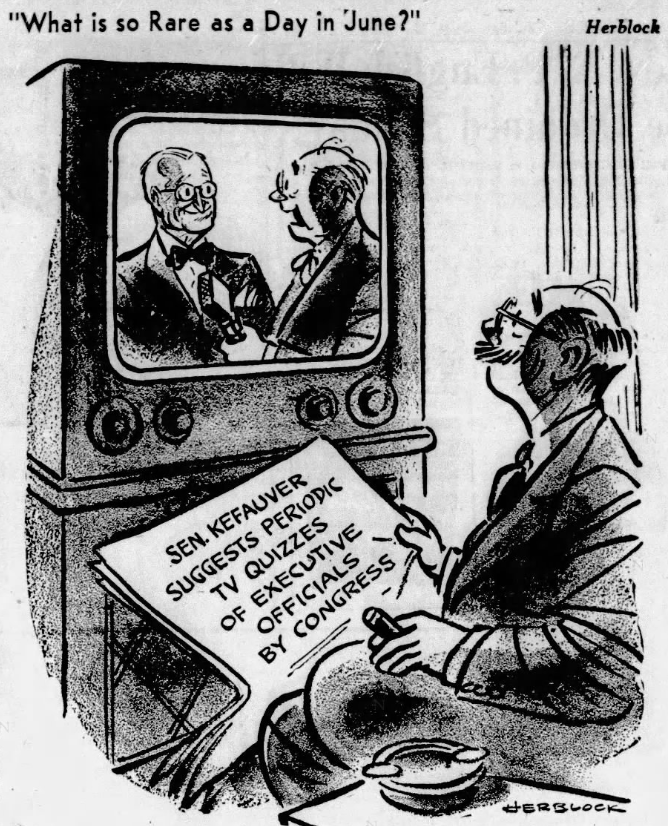
This would serve several purposes. It would help keep the public informed about the operations of the government. It would increase the incentive for the executive official to come prepared and ensure his or her department was in good shape. And it would “establish the importance of Congress in the public mind.”
The President and the department and agency heads, he noted, could make headlines by holding press conferences. This gave them an advantage in controlling the terms of public debate. If Congress held high-profile events on its home court, so to speak, they might be able to reclaim some public attention.
Ultimately, Kefauver believed that giving the executive and legislative branches a public forum to discuss and work out their issues, both branches – and the government as a whole – would work better.
In a 1953 essay on his proposal in the American Annals of Political Science, Kefauver described the “ineffective system of communication and liaison” as a problem that “gives not the slightest indication of lessening; on the contrary, it grows more grave with each passing session of the Congress.” He argued that his proposal, which required only a change to the rules of the House and Senate and not a constitutional amendment, represented “the easiest step which we could now take in the right direction.”
In theory, Kefauver may have been right about that. In practice, though, taking that step was anything but easy. Kefauver found that out the hard way.
The Irresistible Force Meets The Immovable Object
Kefauver’s question-time proposal didn’t fail for lack of trying. As I mentioned, he fought for it for two decades. He filed the bill at least half a dozen times in the House and Senate.
When he first brought the proposal forward in 1943, he met with every Congressional colleague who would talk to him, seeking their feedback and suggestions for improvement. He held multiple lengthy sessions on the floor of the House, inviting his colleagues to ask questions and raise issues in open debate. He wrote to every Cabinet secretary and agency chiefs, asking for their input and urging them to testify in favor of the proposal on the Hill. Several key administration officials liked the idea, including War Secretary Stimson, Labor Secretary Frances Perkins, and Vice President Henry Wallace.
When the House Rules Committee refused to hold a hearing on the proposal, he went all the way to the top, asking President Roosevelt to intervene and requesting a meeting at the White House to discuss the idea. (FDR wouldn’t take the meeting.)
In the years that followed, Kefauver wrote newspaper editorials and scholarly articles to promote the proposal. He gave speeches around the country about it, even during his 1952 Presidential campaign.
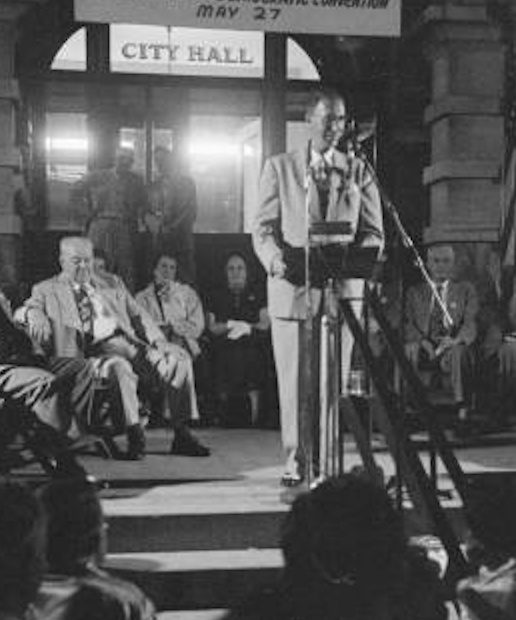
Was he talking about question time? Maybe!
There was no question that Kefauver had done his homework. His speeches and essays contained a detailed account of how the idea had been proposed and practiced in American history. He also had thorough, detailed responses to every concern or objection he received.
His campaign generated considerable support. A December 1943 Gallup poll showed that 72% of respondents supported Kefauver’s proposal, with only 7% opposed. Over 300 newspapers – including the New York Times, Washington Post, Washington Star, and Baltimore Sun – published editorials favoring the idea. He also had the support of eminent political columnists, including Marquis Childs and Walter Lippmann.
In a January 1946 editorial, the Sun praised Kefauver’s “obvious though controlled passion” for the idea, as well as his “wealth of historical background and constitutional perspective.”
“No one has diagnosed this defect better or prescribed for it more ingeniously than Mr. Kefauver, the Sun concluded. “It is time his colleagues listened to what he says.”
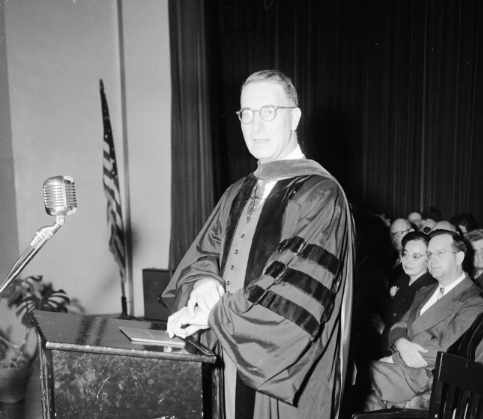
His colleagues did appear to be listening. Then-Rep. Karl Mundt of South Dakota admitted that he initially “some doubts and some reservations” about the proposal, but “the more frequently I discuss it with the author, who has given it a tremendous amount of thought,” the more he came to favor it.
Given Kefauver’s tireless and diligent work and the widespread support for his proposal, why was it never enacted? Because of the one key group that opposed it from the beginning and never came around: Congressional leadership.
In his 1960 book The Cabinet and The Congress, author Stephen Horn noted that among the House members who publicly supported Kefauver’s proposals, only one was a committee chair – and he chaired an insignificant committee on memorials. Meanwhile, the idea’s opponents included some of the most powerful members of the House: Speaker Sam Rayburn, as well as the chairs of the Rules Committee (which had jurisdiction over the proposal), Appropriations, and Military Affairs.
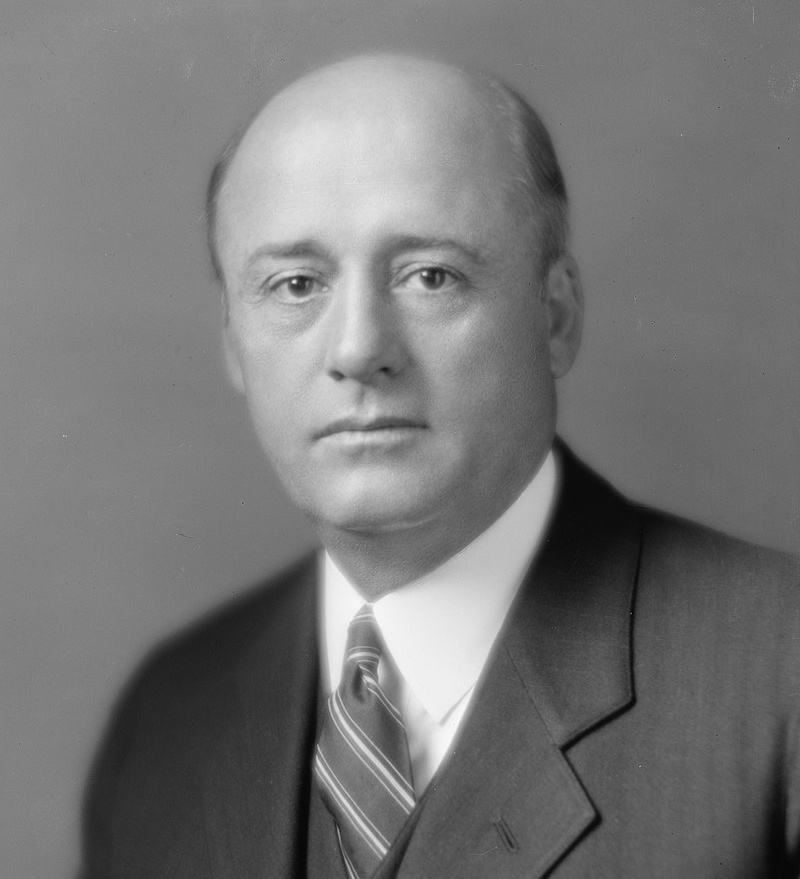
They weren’t quiet about their opposition, either. Appropriations Chairman Clarence Cannon blasted Kefauver’s proposal on the House floor in March 1944. He claimed that the question period would “degenerate immediately and inevitably into a political fencing match” that would “give rise to bad taste, bad manners, and bad blood.” He concluded, “Instead of bringing about better teamwork between the Congress and the executive departments, it would drive a wedge of discord between the legislative and executive branches.” Senate Minority Leader Wallace White echoed Cannon’s argument, saying that inevitably some “poor Secretary” would “have 435 members… go after him.”
Other leaders argued that the question periods would undermine the committees, as their hearings would take a back seat to the public question periods. Others claimed that it was a violation of the separation of powers; ironically, some argued that it would lead to Congress encroaching on the executive’s power, while others claimed the opposite. Still others claimed that it was a first step toward replacing the American system of government with a parliamentary government.
Kefauver met every objection with a detailed response, providing facts and historical evidence to show that the concerns were misplaced or overblown. As Horn wrote, “[h]is enthusiasm [rose] in direct proportion to the pressure being generated against him by House leadership[.]” But all his enthusiasm – and his detailed rebuttals – failed to soften their implacable resistance.

As the New York Times’ Arthur Krock wrote, “the leadership must change in personnel as well as in viewpoint if the reform is to come.”
But why were they so opposed to the idea? Kefauver believed that they were simply against change of any kind. In his letter to FDR, Kefauver noted that Rayburn “does not look upon this idea with favor” and added, “In candor I must say that he is against any substantial reform of Congress’ method.”
While it was true that Rayburn and other leaders were broadly resistant to Congressional reform, it wasn’t just because they were stubborn. The existing system – like the seniority system for committee chairs, another thing Kefauver wanted to change – bolstered the leaders’ power.
One of the key reasons Kefauver cited was that it would better serve and empower newer members of Congress. Given how difficult it was to obtain information about the operations of government, it was often hard for newer members to develop informed opinions on the bills he or she was voting on. As a result, Kefauver wrote in his 1953 article, those members wound up “voting on technical matter beyond the scope of his own committee functions more or less blindly, as leadership, party, or interest group may direct.”
If a new member wanted to influence a particular area of policy, he or she might have to wait a while to land a seat on the relevant committee – and even longer to move far enough up the seniority ladder to be able to ask significant questions in hearings and get personal attention from government officials.
In short, the question periods would help to democratize knowledge and influence with Congress. Rather than siloing information about agency operations within a particular committee, everyone – from the Speaker to the most junior member – would have access to the same information at the same time. And allowing questions from the floor meant that even the newest member could question a Cabinet secretary.
As Kefauver noted in Twentieth Century Congress. “Present methods may be satisfactory to the ‘oldsters’ in Congress – those with twenty or thirty years of service. But we must consider the needs of the average member.”
But Congressional leaders didn’t really care about the needs of the average member. From their perspective, the lack of information and influence that newer members had was a feature, not a bug.
If the average member was poorly informed about most matters of government, it was easier to get them to vote the way leadership wanted them to. If the average member was dependent on winning leadership’s favor in order to have influence, that made the average member more inclined to support the leaders. If committee chairs controlled their committees’ relationship with the agencies they oversaw – and they didn’t have to worry about average members piping up with dissenting opinions – that bolstered the chairs’ power.
Democratizing knowledge – and the ability to ask questions – undermined the power of the leaders and the committee chairs. And thar was precisely why they saw Kefauver’s proposal not as a helpful suggestion, but as a threat.
Cannon’s attack on Kefauver’s proposal wasn’t really about maintaining decorum. Cannon himself was famously indecorous; he once punched the ranking member of the Appropriations Committee in the face and bragged about bloodying the guy’s lip. It was about maintaining control.
A Congress where newer members blindly followed the guidance of leadership might not, as Kefauver pointed out, make for good government. But it served leadership’s interests, which is what they cared about most.
During one of his floor sessions in 1943, Kefauver noted that one reason why question periods no longer existed in Congress was because George Washington “was the type of man who had his say and he was not of the temperament to debate or join in arguments.”
“Had he been of a different mood,” Kefauver said, “I am sure we would today have the procedure I am proposing.”
Despite twenty years of determined effort, Kefauver wasn’t able to make Congressional question periods happen. He might have thought that if men like Rayburn and Cannon had been of a different mood, the outcome would have been different. But it wasn’t their mood that was the problem – it was their power. They liked being large and in charge, and they wanted to keep it that way.


Leave a Reply