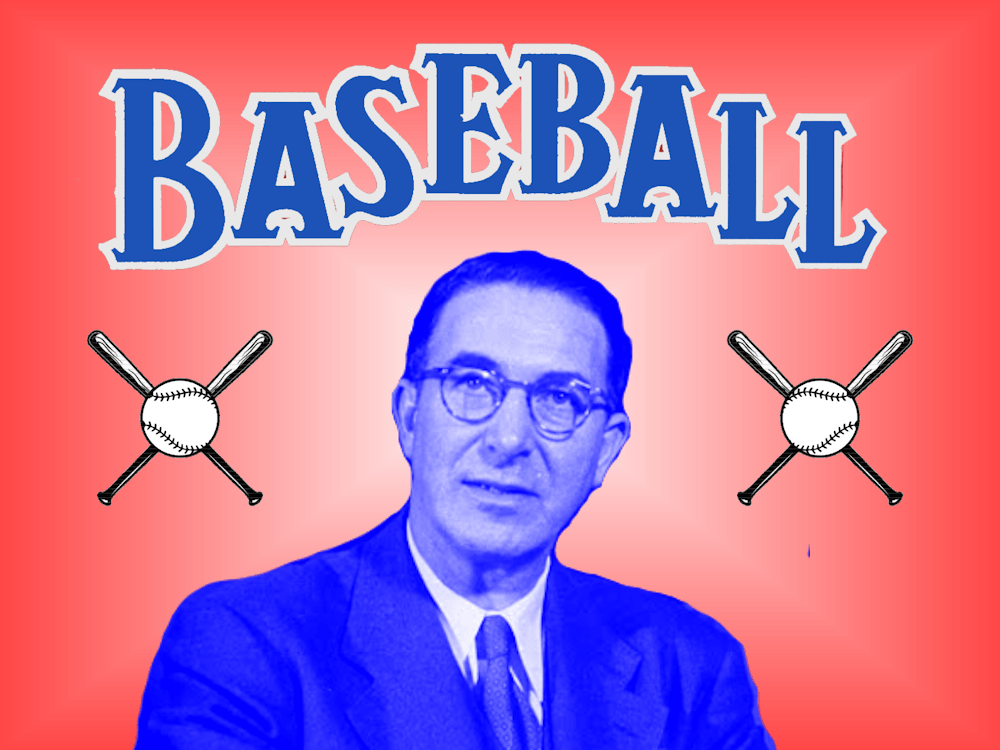
Historian Jacques Barzun once said, “Whoever wants to know the heart and mind of America had better learn baseball.” Estes Kefauver would have agreed.
After the nationwide sensation of the organized crime hearings in 1950 and 1951, Kefauver became a national celebrity. His name and face appeared everywhere, from newspaper articles touting his national prospects to TV game shows to movies inspired by the hearings. And if there was any subject that could be linked even loosely to the crime hearings, Kefauver was asked to write or speak about it.
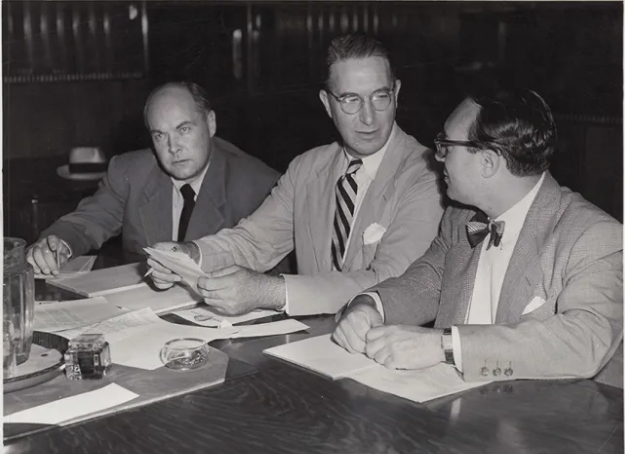
In October 1951, the editors of Baseball magazine invited Kefauver to pen an article on the national pastime and the crime hearings. He used the opportunity to offer suggestions for strengthening organized baseball and to lay out his vision for how the sport should operate.
He argued that baseball’s leaders needed to understand that they weren’t just running a business, but also tending a sacred public trust, and to operate accordingly. He suggested that the government act as a watchdog to ensure that lust for profits and power didn’t overwhelm the good of the game. He suggested that baseball’s continued success depended just as much on its strength in the smallest towns as in the big cities. He called for giving the players more power to control their own labor, instead of leaving all the power in the hands of the owners. And he said that the vigilance of average fans was crucial to ensuring that the sport remained honest.
Baseball editor Joseph Lilly, in his introduction to Kefauver’s article, suggested that Kefauver’s “fairness, fearlessness, and ‘know-how’” would make him a good baseball commissioner. “But we wouldn’t be surprised,” Lilly noted, “if Fate has selected him for a bigger job than that.”
As it turned out, Kefauver was destined neither to be President nor commissioner of baseball. But his vision for the sport had much in common with his vision for America.
Lilly claimed in his introduction, “Politics and baseball have no connection.” He was wrong. In fact, Kefauver provided readers with a look at his political philosophy through the lens of the national pastime.
Safeguarding the Game
What was the connection between baseball and the crime hearings? Honestly, there wasn’t one.
The hearings did look into gambling on sports, but that mostly involved horse racing and boxing. To the degree that baseball came up at all, it was only in passing.
Kefauver spun this shrewdly by saying that the hearings had given baseball a “clean bill of health.” “Never for a moment,” he wrote, “did we have a cause to suspect crookedness in Organized baseball.”
What made the sport clean? Kefauver cited two factors: the legacy of integrity instilled by the late Commissioner Kenesaw Mountain Landis, and the devotion and vigilance of baseball fans.
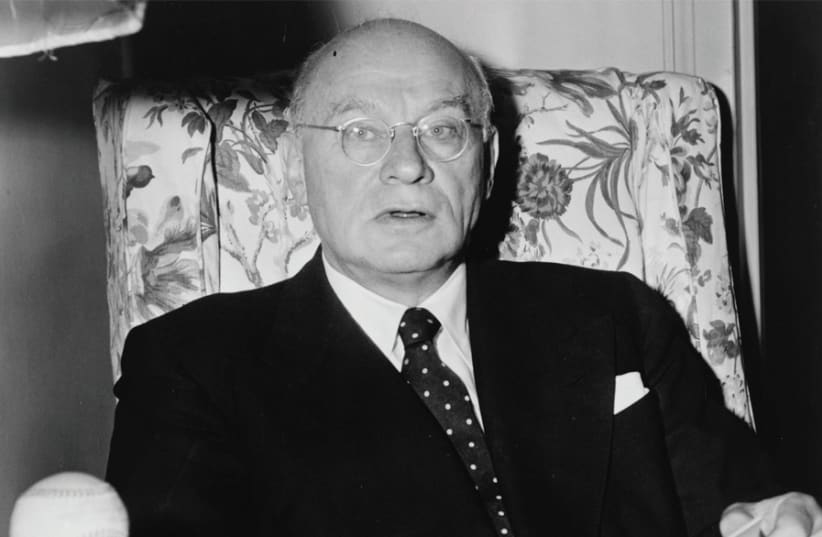
The Landis factor was easy enough to understand. In the wake of the “Black Sox” scandal, in which players on the Chicago White Sox conspired with gamblers to throw the 1919 World Series, baseball owners were desperate to restore public confidence in the integrity of the sport.
They hired Landis, a federal judge, as commissioner and gave him broad powers to rule in the best interests of the game. He immediately banned for life the White Sox players accused on involvement with the fix (including one who merely knew about it and didn’t report it), setting a clear precedent that any association with gamblers would not be tolerated.
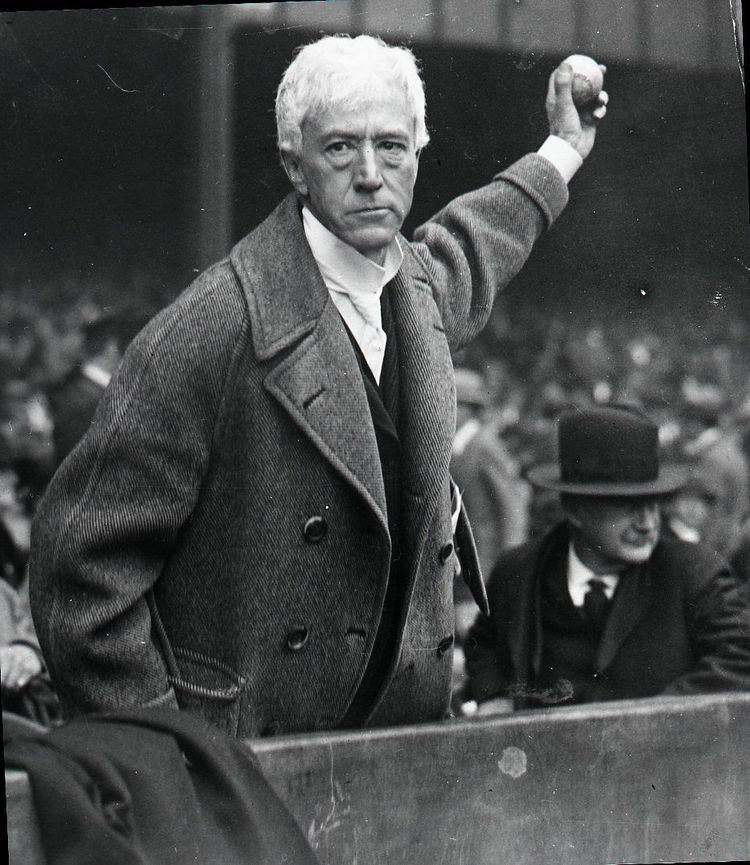
Kefauver credited Landis for “the undeviating integrity [he] imposed on baseball,” saying that he “set the pattern for Organized Baseball to climb over the years.”
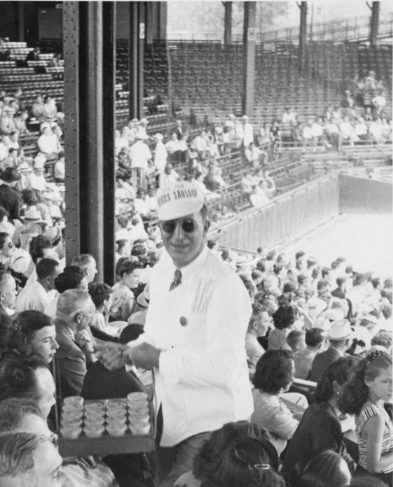
So where do the fans come in? To Kefauver, their close attention to the action of the game would allow them to sniff out any potential fix in the making. He noted that the baseball fan “understands the finer points of the contest. He recognizes when any familiar player does less than his very best on any occasion. He comments on every action of the game to anyone in ear-shot, friend or stranger.”
In other words, if there was ever any funny business going on in a game, the fans would notice immediately and call it out loud and clear. “In a sense,” Kefauver wrote, “the fan is the ever-alert sentinel protecting baseball from the evil of ‘the fix.’”
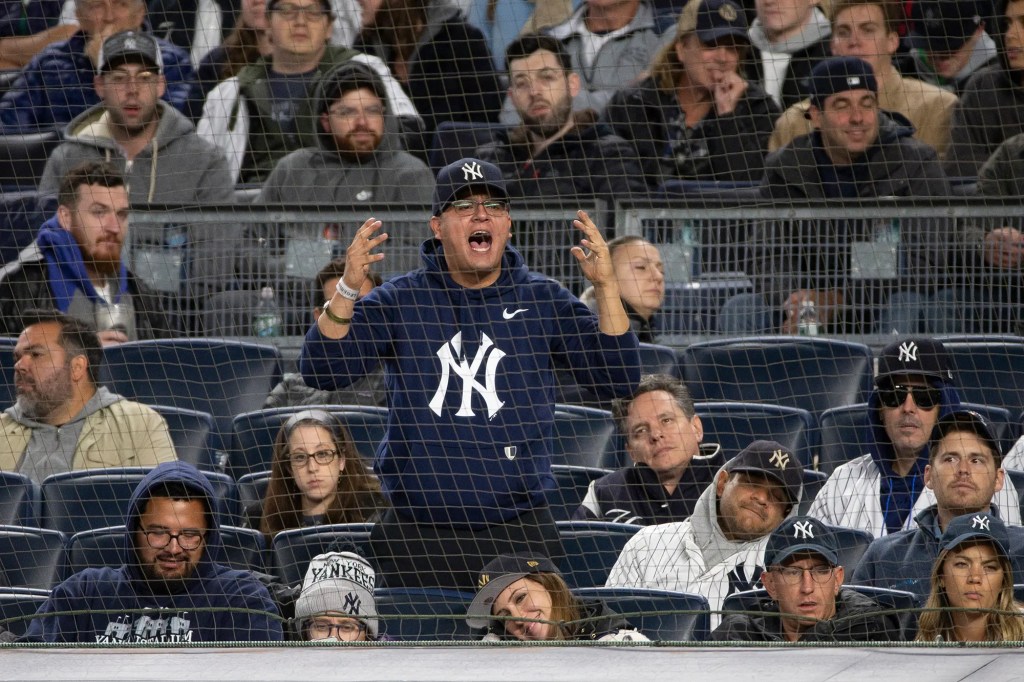
If this idea sounds familiar, it’s because it’s similar to the way Kefauver saw “an aroused public” as vital to maintaining clean and honest government.
The same year Kefauver wrote this article, he gave a speech touting the vital role of citizen engagement in combatting corruption and criminal influence in society. He praised the work of local crime commissions that “keep the spotlight of public attention upon officials to see that they enforce the law,” and argued that public apathy was one of the biggest contributors to civic corruption.
Kefauver believed that the hope for honest and ethical government relied on citizens who paid enough attention to be aware of public corruption and cared enough to demand good government, rewarding honest politicians and voting out the ones that went astray. Similarly, he believed that baseball remained a clean sport because fans were observant enough to spot cheating and cared enough that they’d raise a fuss if it happened.
If I Ruled the (Baseball) World
Kefauver devoted the bulk of his article to his suggestions for making baseball better. “As does any other fan,” he wrote, “I have my own ideas about some improvements that could be made in the operation of Organized Baseball.”
Again, there were clear parallels between his ideas for the national pastime and his ideas for the national government.
Of the ideas in his article, the one that received the most attention was his suggestion to establish a government commission to oversee “the basic structure of the sport and the powers of the High Commissioner.” He would make a similar suggestion a few years later for a federal commission to govern professional boxing.
But boxing was in bed with the mob; many major figures in the sport were either gangsters themselves or in league with them, and the sport’s sanctioning bodies had proven ineffective at addressing the issue. Meanwhile, baseball – by Kefauver’s own admission – was clean. Why, then, a federal commission for baseball?
Essentially, this was the same iterative-change approach Kefauver applied to Constitutional reform: better to have the mechanism in place before you need it, rather than waiting until a crisis occurred. He was far-sighted enough to realize that Kenesaw Mountain Landis’ virtuous influence wouldn’t last forever. As the Black Sox scandal receded into memory, there was no guarantee that baseball’s owners would continue granting the commissioner such broad power and authority over the sport.
He expressed concern that in the future, “ownership might tend to elect the Commissioner with the understanding that he would act principally as a figurehead for them. The institution of baseball requires discipline of ownership as well as playing personnel.” He also warned, “There are those who would sacrifice the confidence of the American people in the sport for more money.”
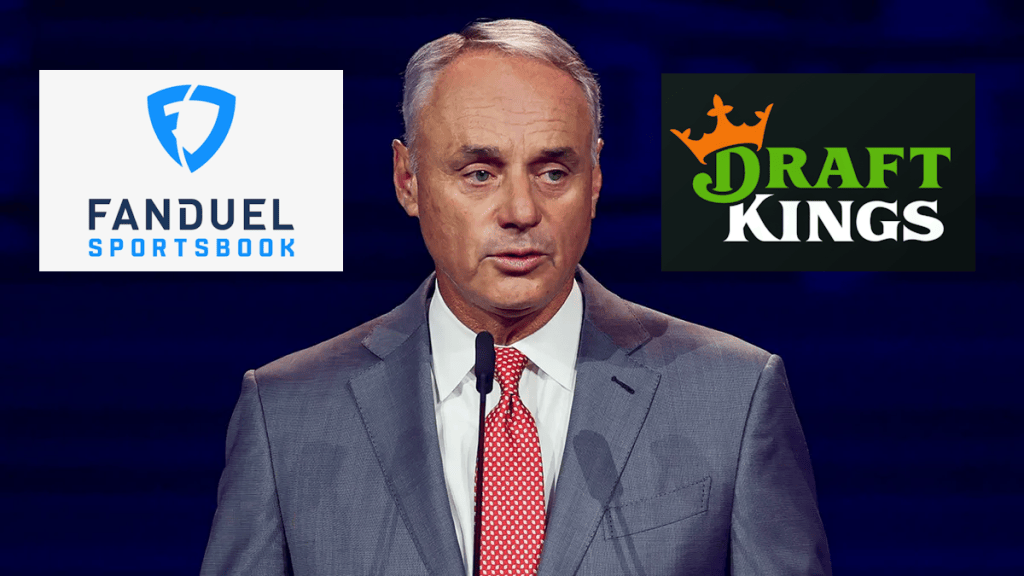
Kefauver did not specifically forecast that the owners would gut the independence of the commissioner’s office in the 1990s, forcing out Fay Vincent for his stubborn independence and replacing him with fellow owner Bud Selig. Nor did he forecast that baseball would happily jump into bed with online sports gambling once it was legalized, selling off the game’s integrity for ad revenue. In both cases, though, he wouldn’t have been surprised.
Another area where Kefauver was prescient was his concern for the minor leagues. “The flashing of radio and television reports of big league baseball to every corner of the nation has crippled minor-league baseball,” he wrote. “So, while interest in major league play is increased, not enough is being done to promote the foundation of the game in the smaller towns.”
Kefauver wrote this in 1951, just two years after the minor leagues reached their all-time peak, with 448 teams playing in 59 leagues across North America. Over the next dozen years, the minor leagues would crash as fans increasingly opted to stay home and watch major-league games on TV rather than heading to the local ballpark to catch minor-league games in person. By 1963, the minors had shrunk to just 129 teams in 18 leagues.
Kefauver’s idea to address this issue was unorthodox but interesting: he argued that Major League Baseball should get more involved in Little League, paying ex-major leaguers to serve as Little League coaches and donating equipment to youth teams. “The entire cost of such a program is less than some teams now pay for the prospect that a budding rookie will come through,” he pointed out.
As Kefauver saw it, this would have a two-pronged benefit: it would give kids access to better-quality coaching at a young age, and their greater interest in the game might lead them to want to watch their local minor-league team play.
Kefauver’s concern about the shrinking of the minors echoed his concern for the fate of small businesses in an economy increasingly controlled by big corporations. Kefauver worried about the trend of small companies being swallowed up or pushed out of business by larger competitors.
He understood that small businesses, like minor-league baseball teams, were more closely connected to their communities and felt a greater responsibility toward them than large corporations. He also knew that when a company or small group of companies dominated a given industry, they could stack the game in all sorts of ways – from setting high prices to maximize profits to paying politicians to rewrite the rules in their favor.

When Major League Baseball took direct control of the minors in 2021 and immediately eliminated a quarter of all affiliated minor-league teams to save money on player development, it severed a link between organized baseball and dozens of cities – mostly small towns. As Kefauver had foreseen, the owners placed profits above their responsibility as stewards of the sport. After all, stewardship and integrity don’t show up in a profit-and-loss statement.
Kefauver’s final idea had to do with the reserve clause, which bound a player to his team indefinitely as long as the team was willing to extend him a contract. This meant that players, without the threat of free agency as leverage, had to accept whatever salary the team offered if they wanted to keep playing.
At the time of Kefauver’s article, his Congressional colleague Emanuel Celler was holding hearings into the reserve clause and whether baseball should be able to retain its exemption from antitrust laws. Kefauver’s article supported the Celler hearings, and called for the reserve clause to be modified.
While he acknowledged the need for teams to protect themselves from the wealthiest teams buying up all the best players, he argued that “a player should not be forever bound to a particular club, or its assignee, by an iron-clad reserve clause.” Instead, he called for contracts to last a set number of years, with the potential for option years. He believed that this approach would “better protect the players without destroying the protection now afforded baseball clubs.”
Kefauver’s support for protection of player’s labor rights was consistent with his support of protection of worker rights in other industries. Kefauver was a career-long supporter of organized labor, believing that workers needed the ability to bargain collectively to reduce the imbalance of power between laborers and companies. He understood that when corporations had unchecked power, they wouldn’t hesitate to exploit it, either against their workers or against consumers.
Kefauver understood that baseball was “a natural monopoly,” and that the usual rules of economic competition didn’t apply, since it wasn’t exactly easy to spin up a rival baseball league from scratch. When that possibility did arise in the late 1950s via the Continental League, Kefauver supported the upstart circuit and threatened legislation to drastically limit the number of players each team could control unless MLB reached a reasonable settlement with the Continental League’s backers.
Despite persistent prodding from Kefauver and Celler, among others, baseball refused to abandon the reserve clause until 1976, when an arbitrator’s ruling forced their hand, leading to the modern system of free agency.
The story was the same each time: entrenched interests resisted change until they had no choice, and it resulted in major upheaval that was far more disruptive than gradual reform would have been. It was a pattern Kefauver would observe over and over from his work in Washington.
The Politics of Baseball
If Kefauver had become commissioner of baseball – as editor Lilly fancifully suggested – the sport might well have been better positioned for the challenges of future. A Commissioner Kefauver would have pushed baseball to confront issues – the labor rights of players, the decline of the minors, threats to the game’s integrity – that team owners were either happy to ignore or adamantly resistant to solving.
The same could be said of what a President Kefauver would have done for America.
In either situation, as this article makes plain, he would have followed the same framework. He believed that organizations should be responsible to the people – the ordinary fan, the journeyman player, the blue-collar worker, the average citizen – and not just the entrenched interests of the powerful. He believed that the people had a responsibility to demand honesty and ethical conduct, and to hold accountable those who didn’t deliver it – whether that was a player fixing games or a corrupt politician in league with gangsters. He believed that neither baseball nor America could remain healthy if the biggest teams, the biggest cities, and the biggest corporations flourished while the minor-league teams and small towns withered.
Baseball, in the eyes of many fans, is a metaphor for life. Kefauver clearly would have agreed. His approach to baseball and his approach to politics were, in many ways, one and the same.


Leave a comment