I thought that Atlantic Union – the idea of a federation of democratic countries – was a dead idea. I was wrong. Meet Rick Biondi, the man who’s trying to “make Atlantica great again.”
In 1949, a Memphis newspaper editor proposed a statement of principles for democratic societies. With democracy under threat today, what can we learn from it?
The subcommittee’s hearings into the Korean ammo shortage produced a mass of conflicting testimony. The majority decided to pretend otherwise. But Kefauver wouldn’t let them.
When the Republican Congress began investigating the alleged ammo shortage in Korea, they found that the story was more complicated than they hoped. But their toughest adversary may have been their own President.
After Eisenhower took office, the GOP was eager for a way to blame the Korean War on Truman and the Democrats. Allegations of an ammo shortage gave them an opportunity… but things proved more complicated than they hoped.
In 1956, Kefauver was supposed to help Stevenson gain ground with rural and working-class voters. That didn’t work out as planned… except in one state.
After the Great Depression and WWII, the federal government was bigger and more complex than ever. And Congress, wedded to archaic and inefficient traditions, was struggling to cope. Kefauver offered a way out of the wilderness. If only Congress had listened.
After World War II, America tried to develop a plan for civil defense in case of a nuclear attack. Why didn’t it work out, and who’s to blame for its failure?
Depressed about the election? Looking for a path forward? Consider the example of Ohio Sen. Stephen Young, a fighting liberal who didn’t hesitate to punch back against stupidity and cruelty.
In the mid-1950s, conservative isolationists – whipped up by fears of one-world government – tried to amend the Constitution to take away the President’s authority to negotiate treaties. Kefauver stood up to stop it.
Estes Kefauver died before America got heavily involved in the Vietnam War. But we can envision how he would have reacted based on his reaction to another Asian conflict: the Formosa crisis of 1955.
Church and Kefauver were both ambitious Senators who led high-profile investigations that caught public attention. They were both Senate outsiders with independent streaks. Were their differences a matter of personality… or the times?
Kefauver’s first Senate term made him nationally famous… but controversial at home. To win re-election, he’d have to face a hyper-ambitious young Congressman who just wouldn’t… stop… talking.
I decipher an anti-Eisenhower poster from 1956, showing how many issues that seem vitally important in their day will ultimately be forgotten by history.
Kefauver’s signature foreign policy idea was Atlantic Union… a concept that’s long since vanished into history. What was it, and why didn’t it work out?
 I thought that Atlantic Union – the idea of a federation of democratic countries – was a dead idea. I was wrong. Meet Rick Biondi, the man who’s trying to “make Atlantica great again.”
 In 1949, a Memphis newspaper editor proposed a statement of principles for democratic societies. With democracy under threat today, what can we learn from it?
 In 1968, Kefauver’s daughters backed the Minnesota Senator’s insurgent bid for the White House. Would their father have done the same?
 The subcommittee’s hearings into the Korean ammo shortage produced a mass of conflicting testimony. The majority decided to pretend otherwise. But Kefauver wouldn’t let them.
 When the Republican Congress began investigating the alleged ammo shortage in Korea, they found that the story was more complicated than they hoped. But their toughest adversary may have been their own President.
 After Eisenhower took office, the GOP was eager for a way to blame the Korean War on Truman and the Democrats. Allegations of an ammo shortage gave them an opportunity… but things proved more complicated than they hoped.
 In 1956, Kefauver was supposed to help Stevenson gain ground with rural and working-class voters. That didn’t work out as planned… except in one state.
 After the Great Depression and WWII, the federal government was bigger and more complex than ever. And Congress, wedded to archaic and inefficient traditions, was struggling to cope. Kefauver offered a way out of the wilderness. If only Congress had listened.
 After World War II, America tried to develop a plan for civil defense in case of a nuclear attack. Why didn’t it work out, and who’s to blame for its failure?
 Depressed about the election? Looking for a path forward? Consider the example of Ohio Sen. Stephen Young, a fighting liberal who didn’t hesitate to punch back against stupidity and cruelty.
 In the mid-1950s, conservative isolationists – whipped up by fears of one-world government – tried to amend the Constitution to take away the President’s authority to negotiate treaties. Kefauver stood up to stop it.
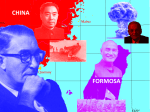 Estes Kefauver died before America got heavily involved in the Vietnam War. But we can envision how he would have reacted based on his reaction to another Asian conflict: the Formosa crisis of 1955.
 Church and Kefauver were both ambitious Senators who led high-profile investigations that caught public attention. They were both Senate outsiders with independent streaks. Were their differences a matter of personality… or the times?
 Kefauver’s first Senate term made him nationally famous… but controversial at home. To win re-election, he’d have to face a hyper-ambitious young Congressman who just wouldn’t… stop… talking.
 I decipher an anti-Eisenhower poster from 1956, showing how many issues that seem vitally important in their day will ultimately be forgotten by history.
 Kefauver’s signature foreign policy idea was Atlantic Union… a concept that’s long since vanished into history. What was it, and why didn’t it work out?
 Estes Kefauver for President